Can AI Create a Hit Game, or Is It Just a Helpful Tool?
Take-Two says AI is not in the business of making hits, but can still be “super helpful” in game development. The debate is really about where AI helps, and where human judgment still matters most.

The different AI approaches coming from Take-Two’s CEO and the Kingdom Come: Deliverance 2 circle are bringing a long-growing question in game development back into focus: Can artificial intelligence really produce a “hit,” or is its main role limited to being a helpful tool that speeds up the production line?
In a statement dated May 18, 2026, Take-Two’s side said AI is not in the “hit-making business.” The reasoning is clear: datasets are, by nature, backward-looking. That sentence sums up the most important part of the AI debate in the games industry. Hit games are not just a collection of features layered on top of a previous success formula; they emerge from the intersection of timing, design decisions, tone, risk, and player expectation. A system that relies on past data is therefore unlikely to guarantee the next big success.
But the same statement does not write AI off entirely. On the contrary, it emphasizes that AI can be “super helpful.” In other words, the question is not whether AI should exist in game development, but at which stage, with how much authority, and for what kind of outcome it should be used.
May 18, 2026: The line Take-Two draws
Take-Two’s approach rejects one of the two extremes surrounding AI. On one side is the optimism that says AI can solve everything; on the other is the backlash that says AI should not touch game design at all. The company’s statement instead opens up a narrower but more realistic space: AI does not automatically produce success, but it can provide serious support during development.
That distinction matters, because in game development, “hit” and “efficiency” are not the same thing. A tool can speed up production without meaning it will elevate the creative result to the same degree. Take-Two’s words position AI not as a factory for ideas, but as an assistive system. Seen this way, artificial intelligence becomes a tool that reduces repetitive work, lightens team workloads, or smooths certain bottlenecks in the production flow.
At this point, the discussion shifts directly from quality to control. Does the convenience AI offers shrink the developer’s decision-making space? Or does it, on the contrary, free up time that lets teams make more creative choices? Take-Two’s cautious tone does not rule out the second possibility, but it clearly warns about the first: expecting systems trained on historical data to deliver the surprise hits of the future is a stretch.
May 8, 2026: Unity AI and the production line
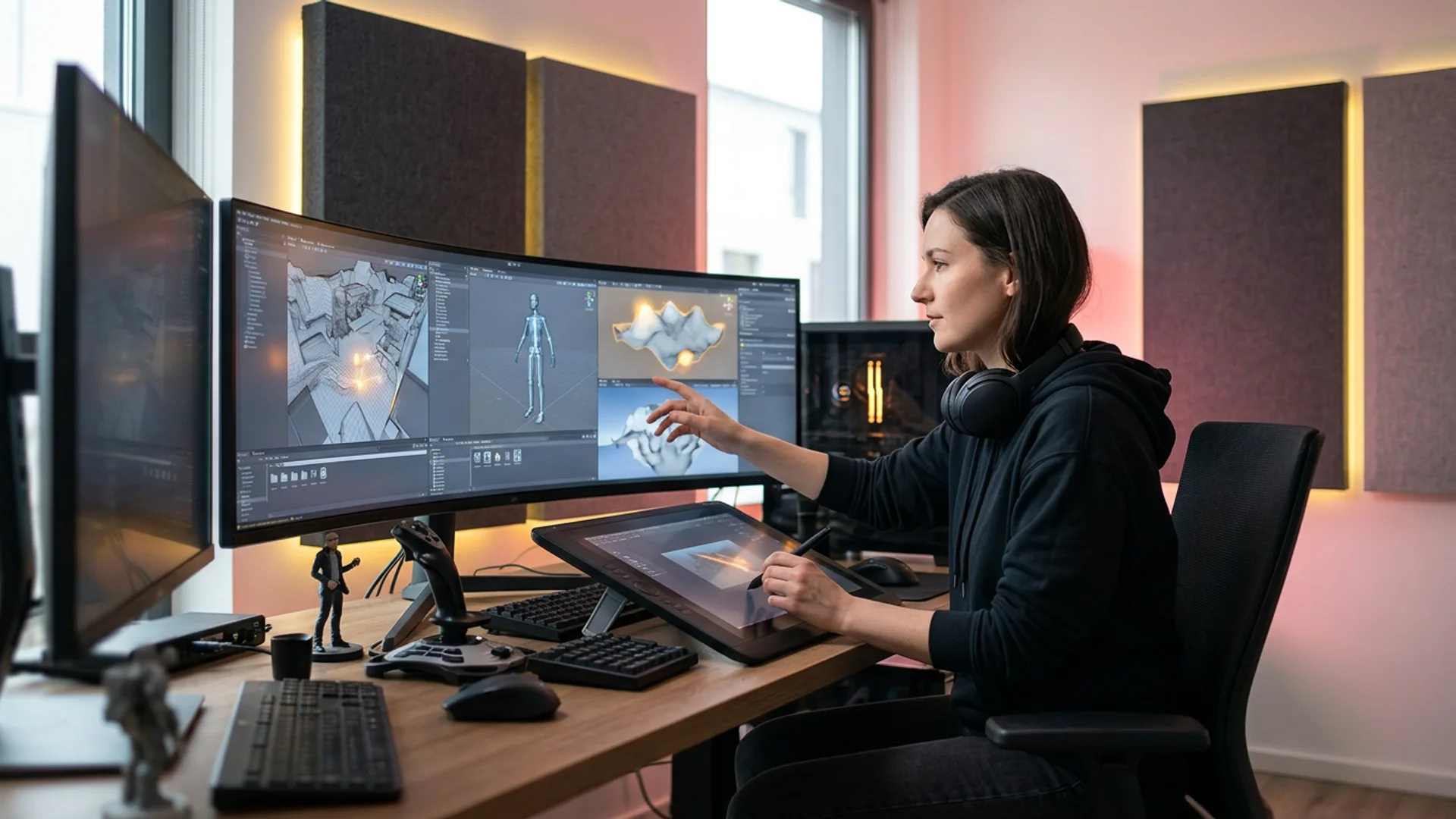
The Unity AI coverage highlighted in the May 8, 2026 edition of Game Dev Digest makes the practical side of this debate easier to see. Unity AI is presented as a collection of “agentic AI-powered game development tools” aimed at automating tasks and generating assets for content creators. It was also reported that Unity explained in a livestream how this technology can help teams work more efficiently, iterate faster, and solve everyday development problems through an example project.