Marathon’s First-Impression Problem Doesn’t Hide Bungie’s Real Test
Marathon’s latest fix may reduce grenade spam, but it cannot erase the first-impression damage—or Bungie’s deeper live-service trust problem.
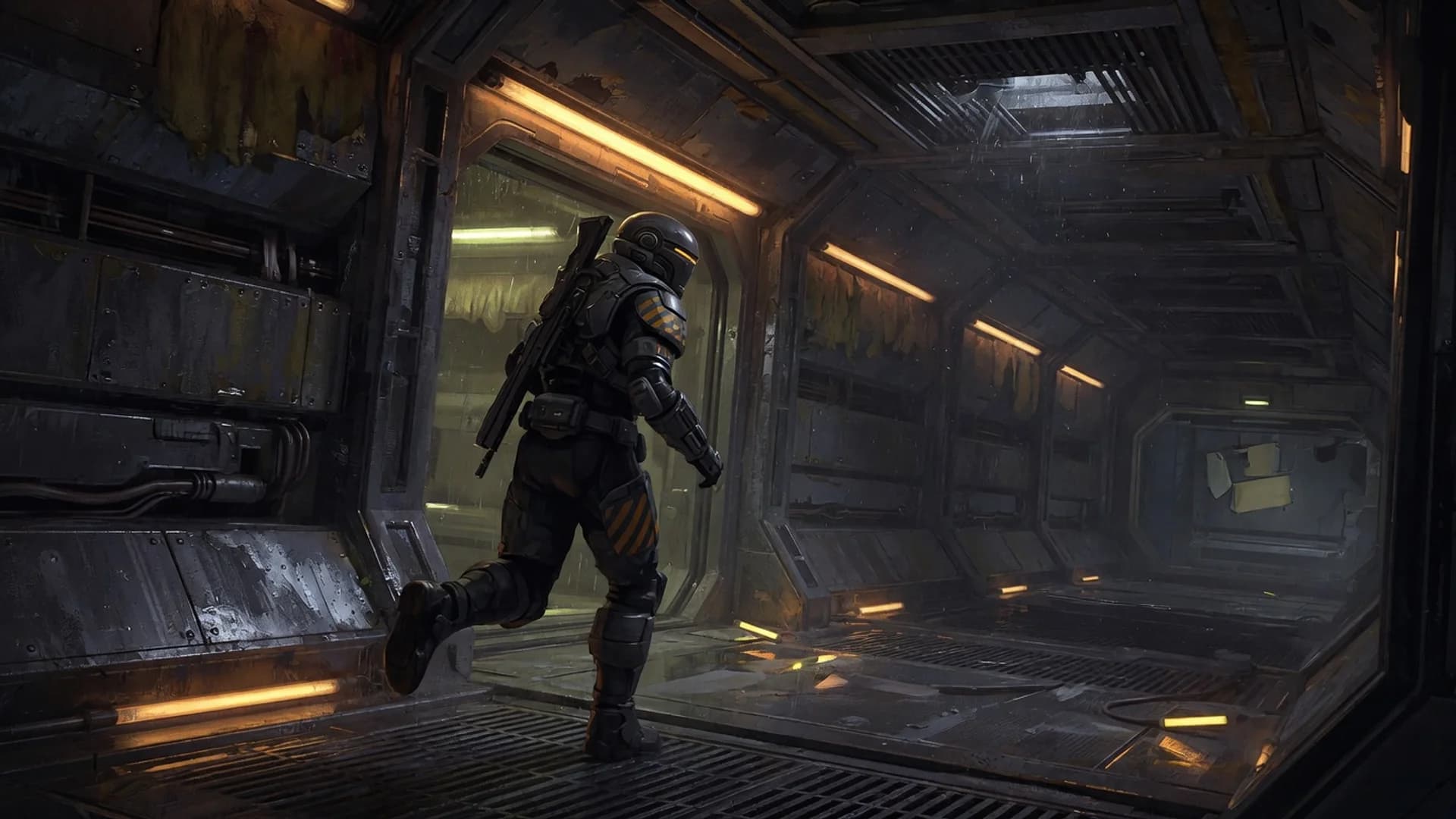
The controversy around Marathon points to something much bigger than a balance issue that could be solved with a single patch: Bungie’s repeated habit of stumbling at launch is overshadowing every good-faith fix arriving in the game’s second season. While seasonal updates may push things forward on the content side, the bad taste left on day one does not fade easily. For players, the question is no longer simply “will grenade spam be fixed?” but “can this game inspire confidence in Bungie’s live-service management?”
Marathon’s latest update matters for exactly that reason. On one hand, it delivers a clear response to specific problems. On the other, that intervention is not enough to repair the damage done to the game’s first impression on its own. In live-service games, timing speaks just as loudly as content. A mistake may have been fixed; but players also remember how long they had to wait before it was addressed.
Why can’t Marathon’s second season escape the shadow of day one?
Although Marathon’s second season was presented as exciting, the first encounter failed to carry that excitement. The game’s free-to-play week fell under the same shadow. The core issue here is less about what the new season brings and more about when, and in what mood, players are meeting the game.
Bungie’s long-running launch issues do not sit in the background like decoration for Marathon; they act as a direct determining factor. That is because players start to see a new season not as a clean slate, but as a continuation of the flaws that came before. At that point, every move the developer makes becomes less a content check and more a trust test. The player who wants new content first thinks, “What broke this time?”
That is why the first impact of a seasonal update is so often overstated. The balance shifts, the pain points are reduced, some systems get cleaned up. But a bad first impression turns all of that into a kind of defense. The player is no longer discovering the experience; they are waiting for an explanation.
Why doesn’t the grenade spam fix solve the game’s real problem on its own?
At the center of the update is a major reduction in grenade stacking. The maximum stack count for EMP, flechette, chem, frag, and heat grenades has been reduced to one. Claymore stack counts have also been lowered to two. Sponsored kits and The Rook now come with two claymores instead of three. On the other hand, utility grenades such as the proximity sensor, smoke grenade, and ammo crate remain at a stack of three.
At first glance, the change is clear: grenade spam should now matter less in the game. In particular, the behavior of repeatedly throwing grenades to disrupt the flow of combat is being weakened. That is a logical move if Bungie wants to bring Marathon’s shooting focus back to the foreground. Even the update’s name makes it clear how decisive this issue has become.
But the real question is what this kind of fix can solve—and what it cannot. Grenade spam was a symptom, not the disease itself. Players were frustrated not just by the number of grenades, but by the way that excess turned into a habit that broke the rhythm of matches. So yes, there is a solution at the mechanical level, but the fatigue created at the experience level runs deeper.
Also important: what was reduced here is not power, but quantity. That distinction matters. Grenades can still remain strong in certain situations. So this update is less about eliminating spam entirely and more about shortening its impact. That may be a solid balance adjustment; but it does not erase the impression left by a bad first week. Players quickly remember that “the problem got smaller” is a very different thing from “the game got better.”
Is Bungie’s real live-service problem technical—or rhythm-based?
Marathon’s update does more than touch grenades. There are various improvements and bug fixes for the C.A.R.R.I armoury. An interface bug related to enemy eliminations has also been fixed. Secure vents have been added to Cryo Archive to prevent spawn rushing. So the picture is not a single patch, but a package of small yet numerous fixes.
These details matter because they show the studio has not abandoned the game. But they also underline why trust is so fragile in live-service games. If a system works, players may not notice it; if it breaks, everyone feels it. Then the fix arrives, but the visibility of the repair is never as strong as the visibility of the damage.
This is exactly where the discussion around Bungie’s launch culture comes into play. If a game is perceived as troubled from the start, later seasonal updates are often read not as “improvements,” but as “late repairs.” Technical fixes are, of course, valuable. But player patience—especially on the live-service side—is burned through faster than a patch note can account for. Once trust is damaged, it is not restored by patch notes alone, but by long-term consistency.
Why did the free-play week become a pressure test instead of an opportunity?
Marathon’s free-to-play week was, in theory, an opportunity to open the door to new players. In practice, it got buried under the weight of a bad first impression. Because periods like free-play do not just expand access; they also expose the game’s real defense. If the first hours are not smooth enough, all the changes in the season fade into the background for newcomers.
The critical point is this: when player patience is short, an update is judged not in the first glance, but in the first session. That is Marathon’s problem. Even if the balance is improved, the game still has to earn trust first. Otherwise, the free week becomes less about attracting new players and more about a showcase that makes the game’s shortcomings easier to spot.
This is not unique to Marathon—but it feels harsher around Marathon. That is because the expectations and launch culture have already created a high level of tension. For a studio like Bungie, this is not just a simple bug list; it is an issue of perception management. Players will accept “it’ll get fixed later” only up to a point. After that, the game has to keep proving itself through repeated good experiences.
If you want, you can also connect this to the broader flow of the gaming world; in periods when new content, new releases, and live-service games all overlap, first impressions become even more unforgiving. That is why the wider conversation around headlines like New Announcements, Releases, and One Radar in a Week: The 2026 Game Flow also offers a useful frame for understanding why Marathon is being judged so quickly.
One patch isn’t enough, because the real issue is trust itself
Marathon’s current state serves as a reminder of a very common truth in live-service games: fixing something is not the same as convincing players. Reducing grenade stacks, cleaning up the UI, and preventing spawn rushing may all be the right moves. Some players may even find the game feels better now. But none of that automatically erases the fracture created by the first impression.
That is where Bungie’s problem grows larger. If every season starts to look like a new “repair period,” players stop seeing the game as a content platform and start seeing it as a service that constantly needs maintenance. Once that perception sets in, a single patch is not a victory. Only long-term discipline, consistent decisions, and a cleaner launch culture can change the picture.
Marathon is standing right on that threshold today. Balance issues may shrink, and technical problems may be cleared away. But the real question in players’ minds remains open: will the next update actually move the game forward, or will it just make the previous mistake a little less visible?