Why Stardew-Like Cozy Farming Games Are Still Going Strong
Cozy farming games still work because they turn familiar routines into a small escape. In 2026, Sugardew Island, Littlelands, Harvest Moon: Echoes of Teradea, and Moonlight Peaks each add a different twist to the formula.
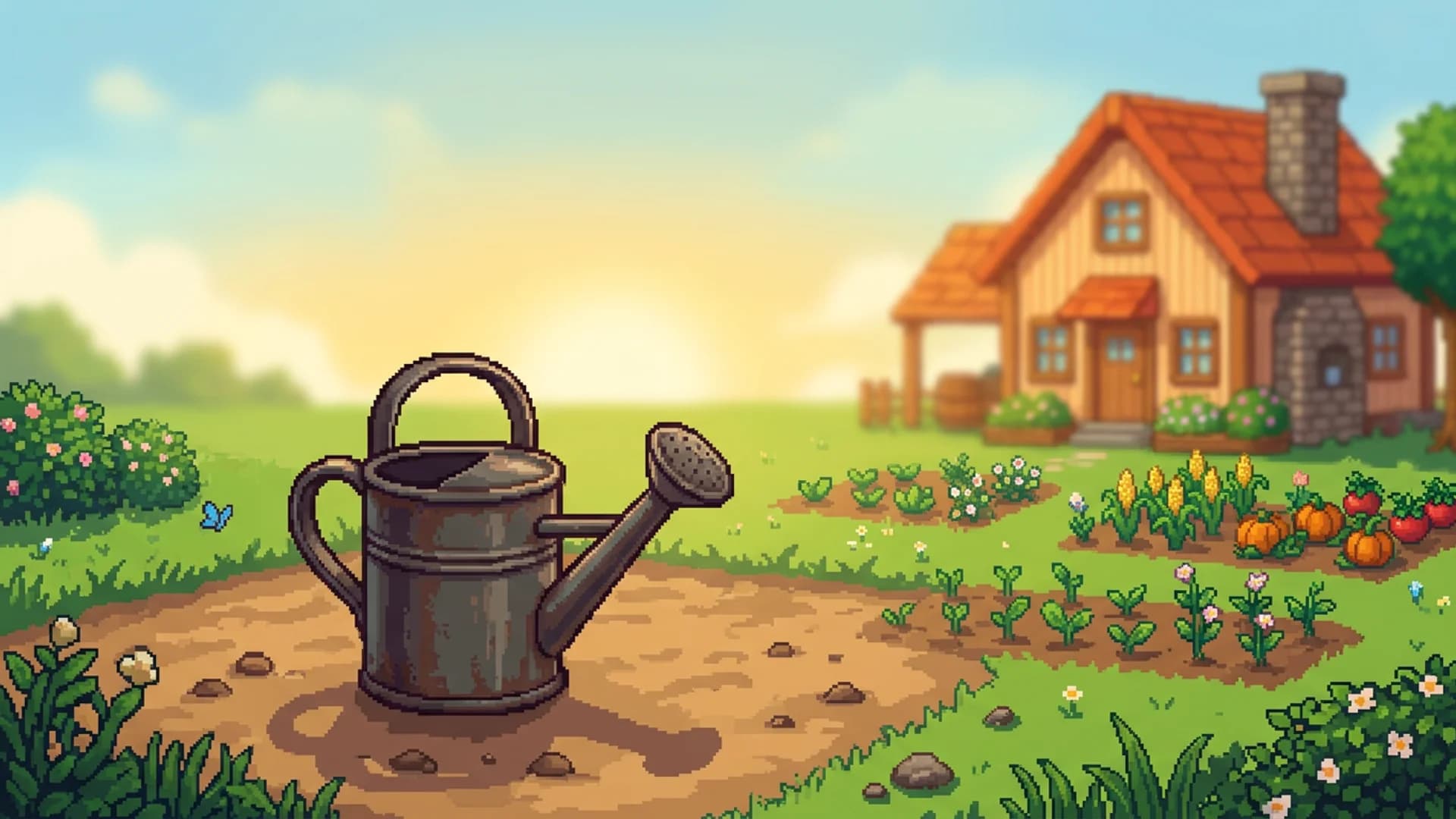
The cozy farming games in the Stardew Valley vein aren’t going away, because the real appeal is no longer just about building a farm; it’s about turning a familiar routine into a small escape. In spring 2026, the standout titles Sugardew Island: Complete Bundle, Littlelands, Harvest Moon: Echoes of Teradea, and Moonlight Peaks may look like they’re repeating the same formula, but each adds a different layer to that comforting rhythm: one leans into exploration, another into a nocturnal world, and another into a weirder character structure. That’s why the genre may seem like it keeps opening the same door, yet every time it lets the player into a different room.
Sugardew Island and Littlelands: Same comfort, different pace
Sugardew Island: Complete Bundle and Littlelands do a great job of showing why cozy farming games are so easy to consume and yet so quick to forget. For Sugardew Island, all we have is trailer information; even that is enough to remind us of the genre’s basic habit: first, the player is invited into a calm world, then they’re tied to it through daily tasks, gathering, and a settlement loop. In games like this, it’s not big surprises that matter, but the sense of order. The player knows what to do, while the game leaves it up to them to decide how they want to pace it.
Littlelands expands that familiar backbone with more concrete details. The game gives players a space to live at their own pace, offering options like growing berries, searching for treasure, fishing, or simply sitting on a bench and watching the sunset. That approach matters, because the appeal of the cozy genre lies exactly there: you don’t have to produce value every minute. Littlelands also comes with six different areas, multiple shops, 20 NPCs, unlockable tools, and a demo of roughly two hours. In other words, the game tries to fill its comfort not with emptiness, but with exploration and interaction.
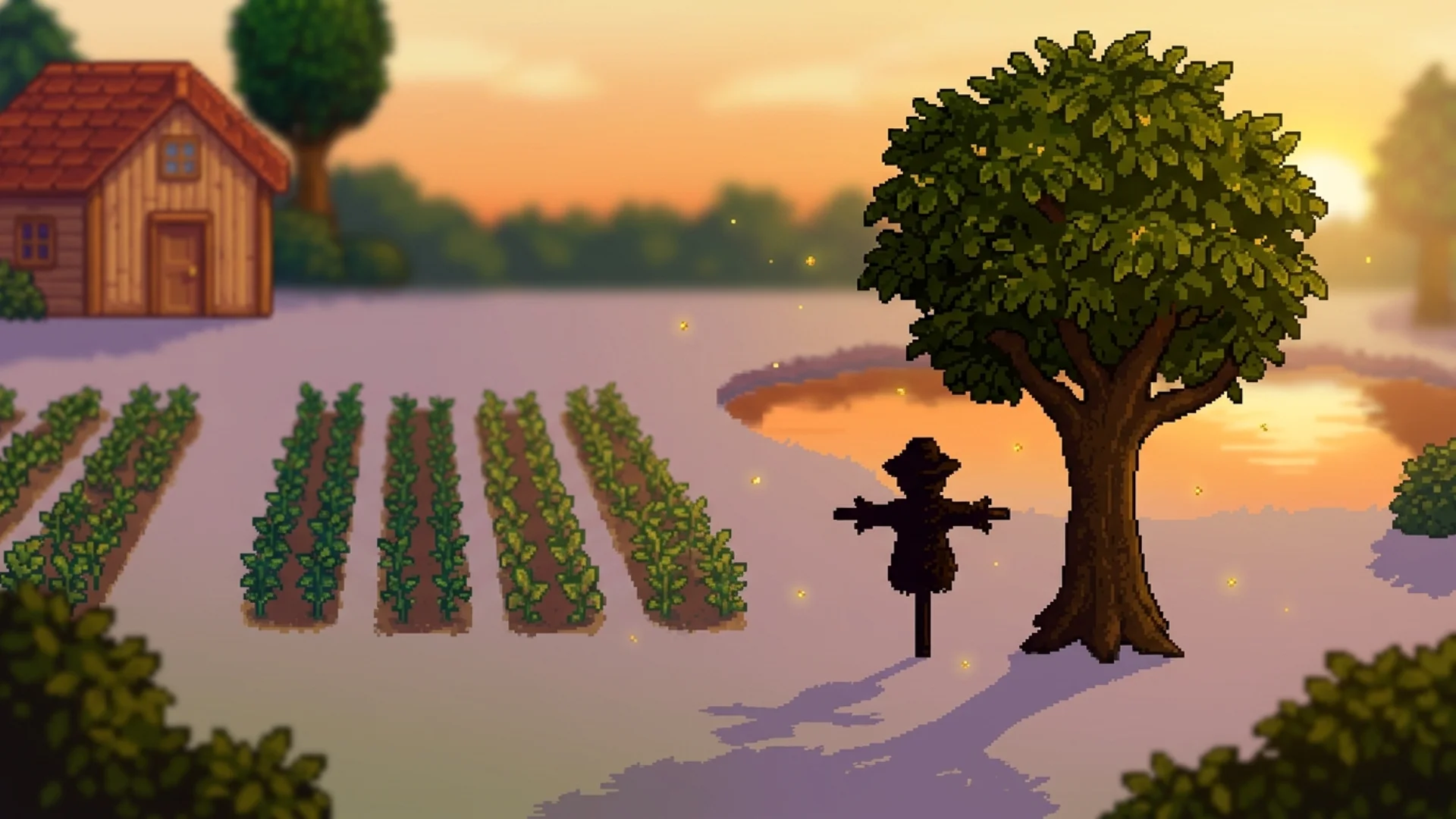
The common thread between these two games is simple: both sell the feeling of everyday life rather than large dramatic goals. Their difference lies in tempo. In one, even the word bundle creates a sense of familiar repetition, while the other emphasizes claymation-like landscapes, mysterious corners, and a more adventurous kind of wandering. Part of why the genre stays alive is precisely this: players eventually want to get lost not just in farming, but in a controlled routine.
Harvest Moon: Echoes of Teradea and Farm to Table: The reliability of the classic loop
Harvest Moon: Echoes of Teradea takes a separate place in the lineup simply by carrying the weight of an old name. The game is listed for PC, Switch, and PS5, with a release date marked as September 23, 2026, and Natsume Inc. in the publisher seat. That alone tells us something important: cozy farming games are not just a playground for new studios, but also a structure established brands keep returning to. Because the formula still works; returning to the land, small communities, daily workflows, and slow progression still resonates with players.
Why? Because these games don’t ask players to learn complex systems one by one; they offer reassurance instead. The Harvest Moon name is already part of that reassurance. Even if we don’t yet have a detailed gameplay breakdown for Echoes of Teradea, the series title makes the expected direction clear: familiar roots, a new settlement, and the same comforting loop. In the cozy genre, players often prefer not the unknown, but a safe kind of unknown. So the search for a “new game” often becomes a search for “a new feeling in an old language.”
The same logic applies to Farm to Table. Standing out with an early access launch trailer, the game builds a sense of flow from farm to table, exactly as its name suggests. We don’t have a detailed systems list, but the early access label itself is a meaningful signal. In games like these, players aren’t just buying a finished package; they’re buying a habit that grows over time. Early access is less of a risky gamble in the cozy genre and more of a space where players enjoy watching development unfold step by step. A product can be loved before it is complete, because sometimes the real reward is in the progression itself.
At this point, a frame like the 2026 game release calendar: from May to year-end as a guide helps explain why these games always find room in the schedule: while big action games create seasonal waves, cozy titles settle into the gaps and create continuity. That’s what keeps them visible in the news cycle and sticky in player habits.
Moonlight Peaks: Darkening the edges without breaking the formula
Moonlight Peaks is one of the clearest examples of a cozy farming game saying, “yes, it’s the same thing, but a little different.” The game takes place in a world full of vampires, werewolves, witches, and fortune tellers. So the core loop is still farming, foraging, fishing, wooing, and mining; but the setting shifts from daylight to night, and from classic town residents to supernatural characters. The player begins as the heir to Count Dracular, and after a final argument with their father, leaves town to build a life of their own. This premise takes the cozy genre’s most common freedom fantasy and wraps it in a gothic shell.
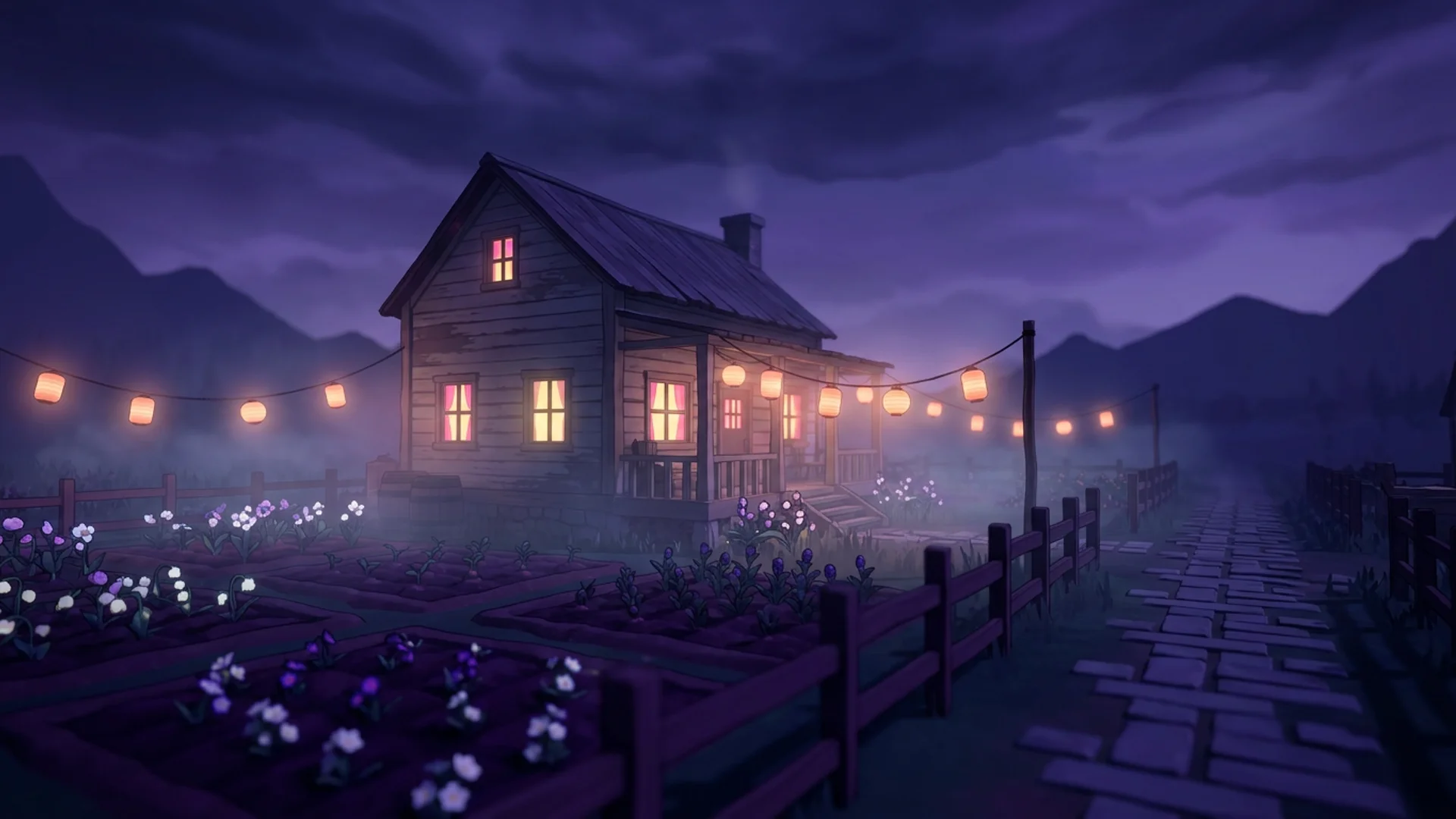
What makes Moonlight Peaks interesting is that this shows up not only in the theme, but also in its approach to characters. Everyone in town has their own past, conflicts, and interconnected relationships. That’s a move against the “everyone is a bit static and waiting around” feeling common in cozy games. Even so, the game doesn’t look flawless: the dialogue is said to be too short, conversations fall back into the gift menu, and the world sometimes fails to feel alive. In other words, adding a new idea isn’t enough on its own; the world you build around it has to carry it.
Still, Moonlight Peaks offers plenty. Character creation, transformations into animal forms, spellcasting, a day cycle that begins at night, and 24 romance options make its social side feel more ambitious than most. Especially in cozy games, romance and town relationships aren’t just decoration; they’re part of the reason to return. Players go back to the farm, but what they often get stuck on are the characters.
Seen in this context, the reason the genre remains popular can also be read through the same logic as Why Are Classic Games Suddenly Being Talked About Again?: people love small differences layered on top of familiar structures. Cozy farming games do exactly that.
Why we keep coming back: Familiar loops, small surprises
Read together, these four games make the shared formula clear: a calm pace, small goals, a sense of community, and repetitive but non-overwhelming tasks. What makes them distinct is hidden in the details. Littlelands gives you a bench to sit on and a sunset to watch. Moonlight Peaks gives you a town that lives at night and a supernatural social structure. Harvest Moon: Echoes of Teradea represents the reassuring return of a known brand. Sugardew Island reminds us of the visual and emotional comfort side of the genre. And Farm to Table builds the same loop’s from-farm-to-table face through early access.
Yes, the formula repeats. But that repetition is less a flaw than part of how the genre works. Cozy farming games don’t hand everything to the player at once; they build habits. A few crops, a few characters, a few small tasks—and before long, the game stops being a to-do list and becomes a daily ritual. That may be why players keep coming back: not for huge victories, but for small completions.
In the end, the reason Stardew-like games never really go away is not that they’re all the same, but that they can recreate the same feeling in different tones. One chooses night, another exploration, another a classic brand, and another a world that opens slowly through early access. The genre’s future likely lies there too: not in a massive break, but in the small deviations added to a familiar loop.
So what do you think makes cozy farming games truly appealing: the farming itself, or the illusion of a peaceful life built around it?
Sources
- https://kotaku.com/games/sugardew-island-complete-bundle/gallery/13
- https://www.gematsu.com/2026/05/littlelands-demo-now-available
- https://kotaku.com/games/harvest-moon-echoes-of-teradea
- https://www.gamespot.com/articles/moonlight-peaks-is-like-stardew-valley-but-with-vampires-and-goth-girlfriends/1100-6539966/
- https://www.ign.com/videos/farm-to-table-official-early-access-launch-trailer