New Announcements, Releases, and One Radar: The 2026 Game Flow
This week’s game news is defined by fast, clear pitches: new releases, fresh announcements, major sales milestones, and games that know how to stand out at a glance.
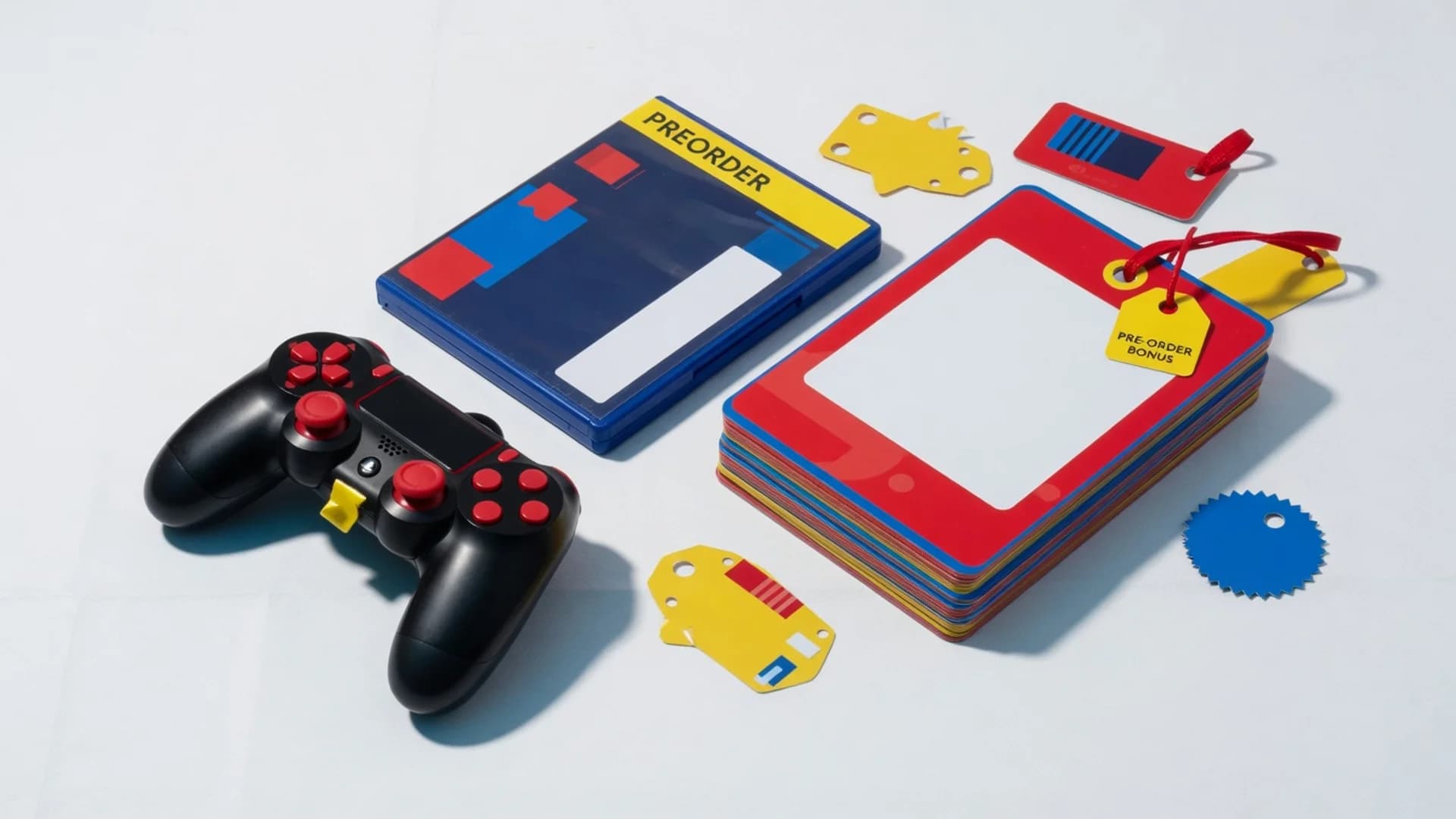
If you had to sum up this week’s gaming news in one sentence, it would be this: a lot of games are either cracking the door open or walking straight through it. On one side are immediately playable builds, on the other are projects with confirmed release dates and announcements showing themselves for the first time. What they have in common is simple: each is making a short, clear, easy-to-scan promise to the player. Puzzle, roguelike, story-driven adventure, tactics, action; the genres are different, but the presentation is similar. Games are no longer trying to explain themselves at length. Instead, they’re trying to grab attention with a single idea.
That’s what makes this week interesting. Because the news flow isn’t just about new games; it also includes shifts in existing series, new modes, and sales momentum. So the question isn’t only “which game launched?” The real question is why it landed on the player’s radar. Some carry the legacy of an older series, some sell an unexpected atmosphere, and some try to say “I’m different” with just one trailer.
June 12 and before: Tome of the Damned and The Wind's Path offer two very different promises in the same week
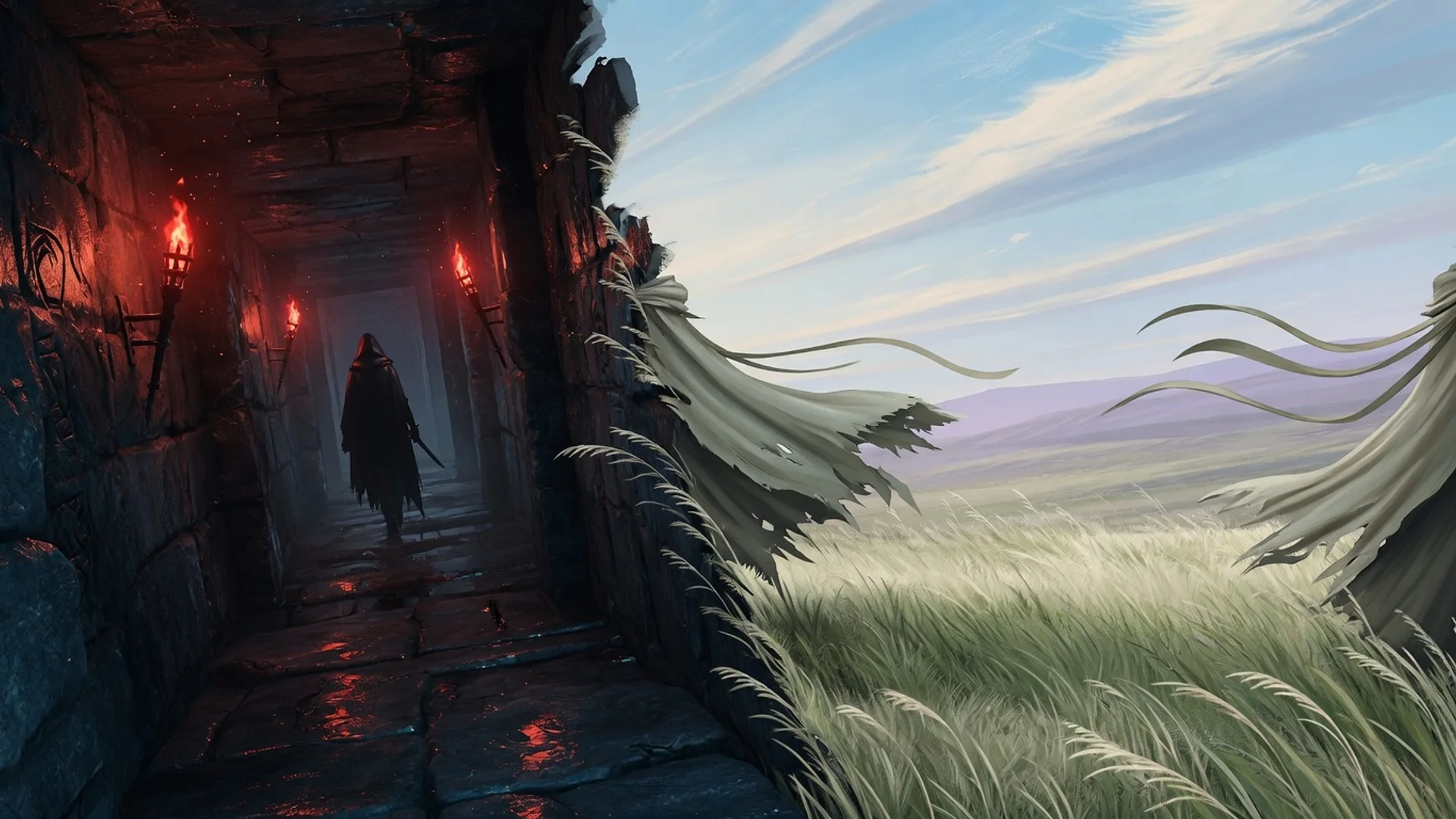
One of the week’s clearest dated releases is Tome of the Damned. Published by Redtower Games, this title is presented as a dark 3D top-down roguelike and is set to launch on June 12 for PC (Steam). At the center of the game is a once-powerful mage who has now become a living corpse. Trapped in cycles of rebirth, the character moves forward by using dead bodies. That premise alone already sounds heavy, and it sets the tone immediately: closed spaces, a death loop, and a constant sense of escape.
Another release in the same week is The Wind's Path. Developed by Endless Project Games, this top-down platformer is now available. The game follows a boy named Olis, who gains the power to control the wind and travels across different worlds. Floating ruins and sci-fi metropolis-like areas are among the scenes described. At the heart of the story is also an alchemist who has lost reality-changing shards, and the duo is moving to recover them. This setup blends classic platforming flow with story and world-hopping ideas.
Putting these two games side by side in the same week reveals a broader trend: one is dark, the other may not be light-hearted, but it carries a more adventurous structure; still, both try to draw the player in through mechanics first. Rather than long marketing copy, the gameplay idea and atmosphere are what stand out. It’s not hard to see why that approach works: players now want to feel games first, then read about them.
Going My Way? and Junkyard Stories: Rebirth bring narrative-driven games to the stage at the same time
Another striking part of this week is how story-focused games are arriving from two different directions. Going My Way? has been announced as a story-driven adventure developed by Siberian Koala. The world is consumed by an insomnia epidemic; there is no law, people are spiraling out of control, and the player advances as a train conductor through an endless-night blizzard. You have to inspect passengers, solve mysteries, and escape the time loop. Here, the train is not just a vehicle; it’s also a closed stage, a social box, and a pressure chamber.
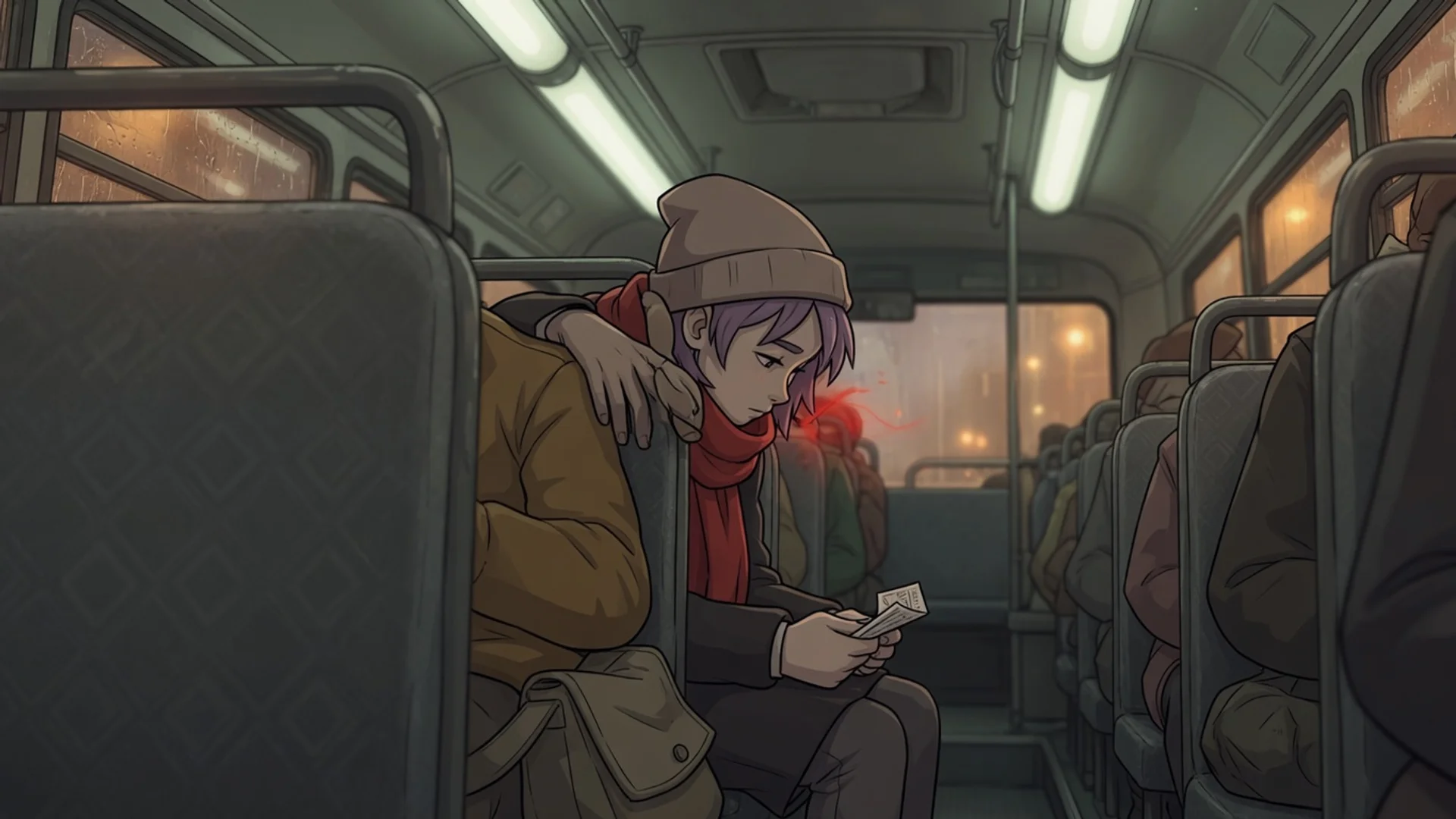
This framing shows why narrative games are no longer relying solely on the “make choices” formula. While Going My Way? uses the train as its setting, it also builds emotional pressure through environmental crisis. The player isn’t just reading dialogue; they’re trying to do a job inside a collapsing system.
Similarly, Junkyard Stories: Rebirth arrives with a strong narrative backbone of its own. Developed by Nandor's Lab and Greenworks Productions, this dystopian sci-fi adventure game puts the player in control of a broken robot carrying the consciousness of the legendary hacker Naoki. You’ll move through war-torn terrain, gather resources, hack systems, and solve puzzles. There’s also a goal to infiltrate Block-07 and find the person who can restore his mind. The fact that the game has a demo is notable too, because in narrative-driven projects, a demo often becomes the most important rehearsal for tone.
Read together, these two games show something clear: even in an era of short-form promotion, narrative games can still take risks. One advances through a train in a blizzard, the other tells the story of a consciousness trapped inside a robot body in a ruined future. Neither speaks with giant slogans; both speak through a sense of confinement.
007 First Light and Heroes of Might and Magic: Olden Era expand with sales and new modes
This is where the week’s sharpest contrast appears. On one side is 007 First Light; it was announced that the game sold 1.5 million copies in its first 24 hours, making it the fastest-selling game in IO Interactive’s history. That’s not just a sales story; it’s also a sign of a powerful launch. The speed of that response shows both the strength of the brand and the impact of the presentation. This kind of early momentum is a clear example of how a new release can carve out space in the market.
On the other side is Heroes of Might and Magic: Olden Era. The game has reached the 1 million sales mark, and along with that came a roadmap pointing to a roguelike mode, reworks, and new modes. Olden Era’s strategy is built around leaning into the series’ 1999 HoMM 3 peak. So the success here doesn’t come from nostalgia alone; it comes from the new systems layered on top of it. The roguelike mode idea seems like a natural extension of that: preserve the old formula, but try a new pacing model.
At this point, the obvious question is: how do big sales and design variety become so visible at the same time? The answer is probably this: players are no longer only looking at what’s “new,” but also at how something familiar changes. 007 First Light gets sales quickly out of the gate, while Olden Era carries series memory forward and creates room to live on through new modes. One is a fast start, the other is a long-term adaptation strategy.
This can also be read as the editorial lesson of the week. Not only new games, but also the ways existing games expand are an important part of the radar. One game can have a strong launch; another can extend its life through post-launch modes. For players, the important thing is not which one is flashier, but which one creates a reason to keep playing longer.
The week’s shared language: short pitch, clear idea, strong atmosphere
When you place all of these headlines side by side, a common design trend becomes obvious. Games are being presented not through long explanations, but through one strong frame: a train conductor, traveling between worlds on the wind, a living-corpse mage, a hacker whose consciousness lives inside a robot body, a roguelike mode, rapid sales. What they all share is the ability to create a scene in the player’s mind right away.
That’s why this week’s game flow feels a bit like an “first-impression battle.” Some titles do it through atmosphere, some through systems, and some through raw sales power. But the result is the same: to get a player’s attention, one idea is enough, as long as that idea is clear and memorable.
That’s exactly why weekly game discovery lists are still valuable. Instead of watching trailers one by one, it can be more instructive to see which design approaches are repeating in the same period. This week tells us that a dark roguelike, a top-down platformer, a story-driven adventure, and a strategy comeback can all be part of the same conversation. And all of them are speaking in shorter sentences.
Maybe getting onto the player’s radar has never been easier, and never been harder. Easier, because one clear idea is enough. Harder, because that idea has to be understood immediately. This week’s games live right in that tension.
Sources
- https://www.rockpapershotgun.com/this-week-in-pc-games-tokyo-drifting-in-forza-horizon-6-communist-grifting-in-disco-elysium-follow-up-zero-parades-or-dystopia-tifting-in-puzzle-game-phonopolis
- https://www.pcgamer.com/games/strategy/heroes-of-might-and-magic-olden-era-teases-a-roguelike-mode-as-it-hits-1-million-sales/
- https://www.pcgamer.com/games/action/007-first-light-has-sold-1-5-million-copies-in-its-first-24-hours-and-claims-the-victory-of-fastest-selling-title-in-io-interactives-history/
- https://www.ign.com/videos/tome-of-the-damned-official-release-date-trailer
- https://www.ign.com/videos/the-winds-path-official-launch-trailer
- https://www.ign.com/videos/going-my-way-official-announcement-trailer
- https://www.ign.com/videos/junkyard-stories-rebirth-official-announcement-trailer
- https://www.pcgamer.com/games/pc-game-release-dates-june-2026/