Why Has the Remake Wave Returned to the Forefront?
More than 20 remasters, remakes, and retro re-releases were announced or shown during Summer Game Fest week, signaling a renewed industry shift toward familiar properties.

The picture that emerged during Summer Game Fest week pointed to something bigger than individual announcements: the games industry is once again leaning heavily into remakes and remasters. With more than 20 remasters, remakes, and retro re-releases announced or shown within a single week, it was clear this was no coincidence. Examples such as Thief: The Dark Project Remastered, Tomb Raider: Legacy of Atlantis, and Gothic Remake all point in the same direction.
This trend is not just about nostalgia. It is also about a safer production logic. Instead of creating a new brand from scratch, bringing back an already recognizable game feels lower-risk and gives players a familiar entry point. In an era of budget pressure, canceled projects, and more cautious corporate behavior, that choice is hardly surprising.
The search for a safe harbor
The rise of remakes also reflects the industry’s current squeeze. Development cycles are getting longer, costs are rising, and nobody is sure whether a new idea will land. In that kind of environment, publishers see value in returning to brands that have already succeeded. Those brands are known, they have stories to tell, and they are easier to market.
One of the clearest examples is Thief: The Dark Project Remastered. Nightdive Studios is bringing back the 1998 game with modern touches. The 1999 Thief Gold content has also been added on top of the original structure. In other words, this is not just a visual facelift; it is a more substantial transformation that brings the old game closer to today’s standards.
On the gameplay side, Thief stood apart from many action games of its era through its mechanical use of light and sound. The new version preserves that core, while also adding UI improvements, control enhancements, and technical upgrades. This is where the appeal of remakes and remasters becomes clear: the structure that worked in the past is presented again without being torn apart.
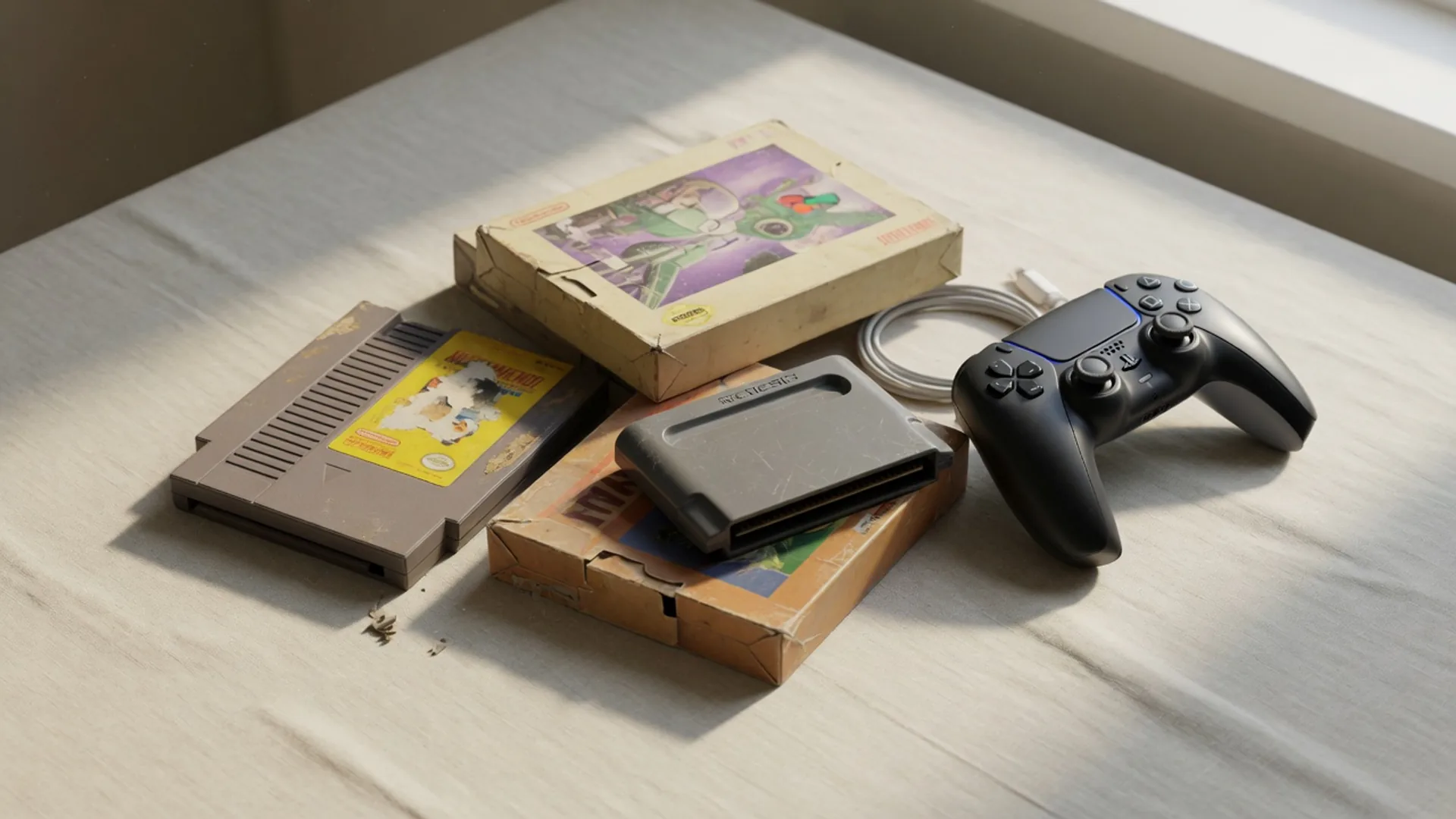
Thief, Tomb Raider, and Gothic all point to the same trend
The standout examples from Summer Game Fest week may span different genres, but they share a common thread. Thief: The Dark Project Remastered is a stealth classic. Tomb Raider: Legacy of Atlantis is a new take on a brand that has already been ported and remastered countless times over 30 years. Gothic Remake, meanwhile, is the return of a cult RPG originally released in 2001.
The common denominator is that all of these games already carry weight. The publisher is not building something from zero; it is updating an existing legacy. The critical reaction around Tomb Raider reinforces that point. After playing the new remake, the argument emerges that some games cannot be rebuilt one-to-one not only because of their mechanics, but because of the feeling that made them special in the first place. That highlights the limits of remake work. Not every classic can be reproduced with the same success.
Gothic presents a different case. The game’s release time and regional launch timings are being discussed, which suggests the project is now approaching the finish line. For longtime fans, that means a long-awaited return is entering its final stage. For new players, it opens the door to an older cult favorite.
At this point, the issue is not just “bringing old games back.” It is also about which games are seen as suitable for today. Names like Thief, Tomb Raider, and Gothic show that the industry is placing its trust in established brands rather than new ones. In a sense, these games have become a risk-reduction tool for publishers.
Why Is the AAA Economy Growing and Shrinking at the Same Time?
Not every remake has the same impact
Even so, reading this wave purely through the lens of commercial caution would be incomplete. Remakes and remasters sometimes offer players a genuinely valuable path to access. Playing a game like Thief on modern systems, with extra missions and technical improvements, makes an old classic far more approachable. The same is true for Gothic. Not every player wants to wrestle with the friction of a game from 20 years ago.
But there is also a hard truth here: a remake does not automatically mean a good game. The Tomb Raider example sits right at the center of that tension. A game’s legacy can be so dominant that remaking it does not necessarily mean reconstructing its essence. Sometimes the result is simply a shinier version that fails to capture the same impact. That is where the risk begins.
So while the remake wave may look like a safe harbor from the outside, it has real limits. Bringing back an old name is easy. Recreating why that name mattered in the first place is much harder. The industry is testing that over and over again.
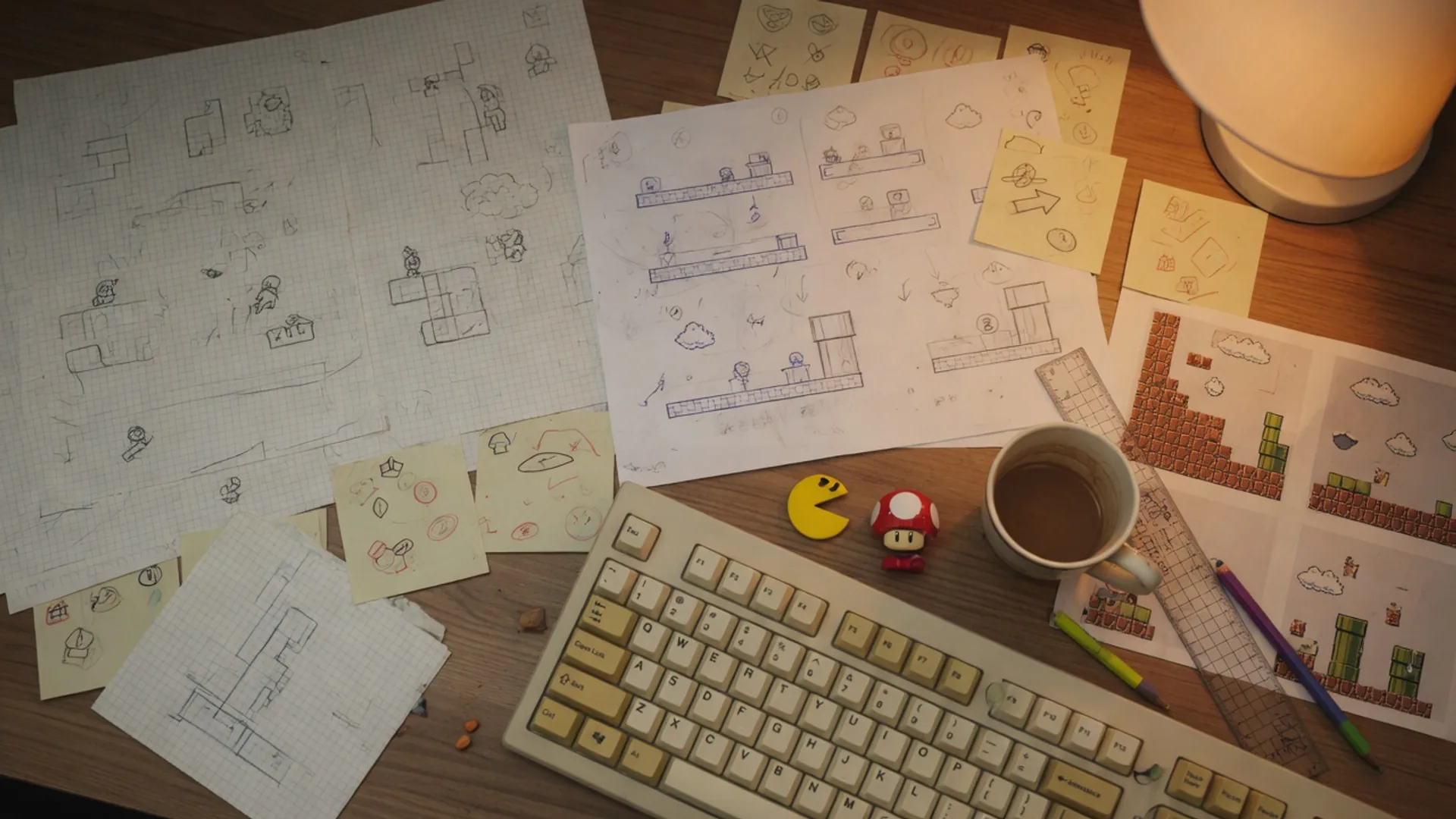
Summer Game Fest week showed us this much: the games industry is choosing to return rather than take risks. Names like Thief, Tomb Raider, and Gothic have become symbols of that choice. The real question is whether this return is a genuinely strong creative strategy, or simply the most familiar path to cling to in difficult times.
Sources
- https://kotaku.com/remakes-and-remasters-dominating-summer-game-fest-week-show-an-industry-retreating-to-safe-bets-2000703991
- https://www.eurogamer.net/thief-the-dark-project-remastered-nightdive-studios
- https://www.pcgamer.com/games/action/after-playing-the-new-remake-of-tomb-raider-im-convinced-you-cant-actually-remake-tomb-raider/
- https://www.pcgamer.com/games/rpg/gothic-1-remake-release-date-launch-times/