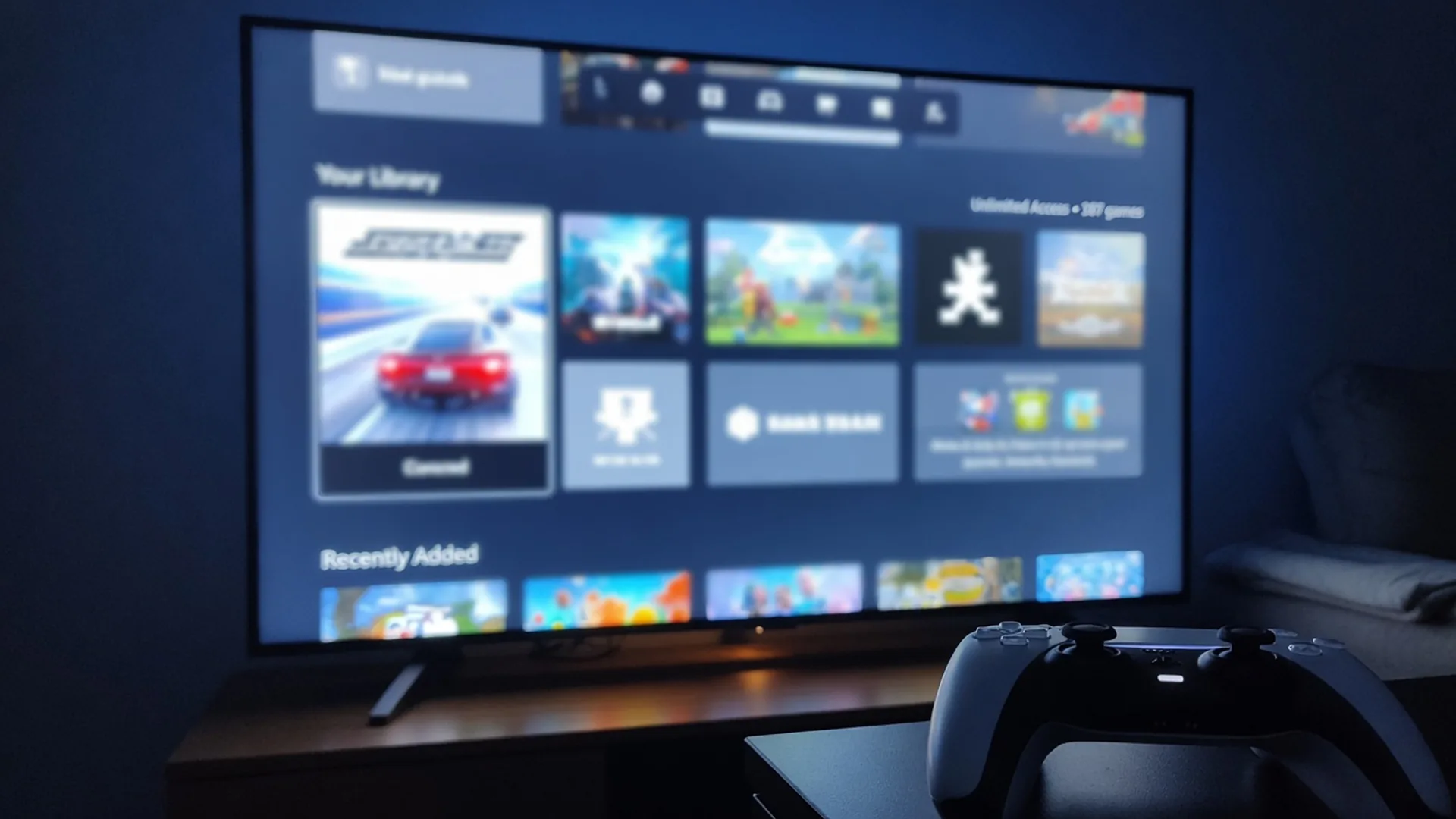
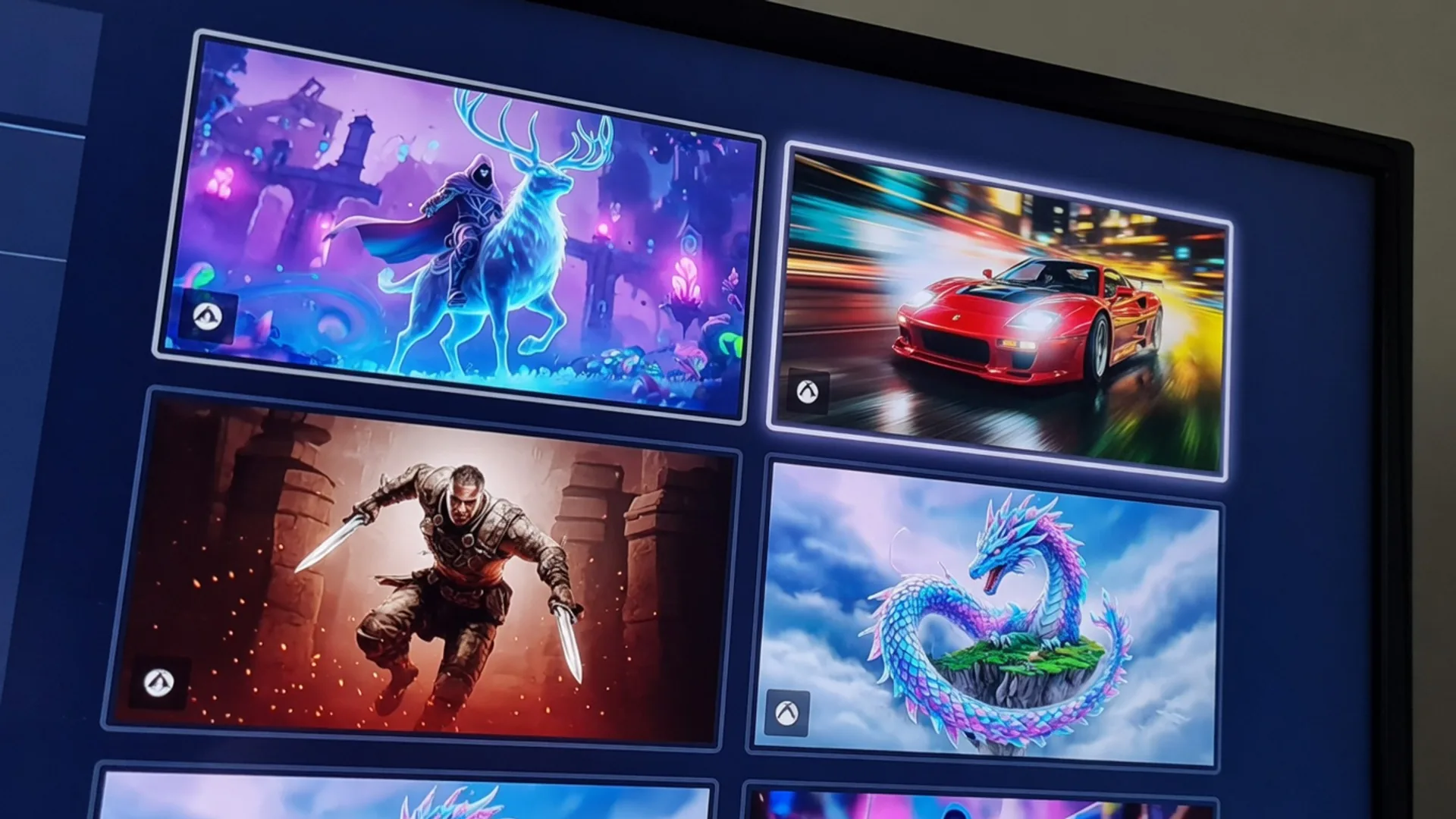
Games Added to Game Pass and PS Plus in May 2026: Who Defines the Value Perception?
May 2026 kicked off with a packed slate for Game Pass and PS Plus. But the real question is which subscription service delivers the strongest sense of value to players.
Games Added to Game Pass and PS Plus in May 2026: Who Defines the Value Perception?
May 2026 opened with a wave of attention-grabbing content on both Xbox Game Pass and PS Plus. On Game Pass, titles such as Forza Horizon 6, Mixtape, and Subnautica 2 were added, while PS Plus Game Catalogue made eight games available to players, including Star Wars Outlaws, Red Dead Redemption 2, and Time Crisis. The list may look crowded, but the real question remains the same: which games in these services actually deliver the most value to players?
What Happened: The May 2026 Game Pass and PS Plus Lineups
Xbox Game Pass announced new games for May 2026 in two waves. The first wave included Ben 10 Power Trip, Descenders Next, Wheel World, Wildgate, Wuchang: Fallen Feathers, Mixtape, Outbound, Black Jacket, Call of the Elder Gods, Elite Dangerous, DOOM: The Dark Ages, Subnautica 2, and Forza Horizon 6. The second wave, with additions starting after May 19, listed Forza Horizon 6, Dead Static Drive, My Friend Peppa Pig, Pigeon Simulator, Remnant 2, Winter Burrow, Luna Abyss, Escape Simulator, Echo Generation 2, The Outer Worlds: Spacer’s Choice Edition, Crashout Crew, Kabuto Park, Final Fantasy 6, and Jurassic World Evolution 3.
On the PS Plus side, an eight-game catalog was announced for Extra and Premium subscribers. Star Wars Outlaws, Red Dead Redemption 2, Bramble: The Mountain King, The Thaumaturge, Flintlock: The Siege of Dawn, Broken Sword: Shadows of the Templars Reforged, Enotria: The Last Song, and Time Crisis on the Premium tier became available. All games were added to the catalog as of May 19.
New games in subscription services create a showcase that directly affects a player’s one-time purchase decisions.
The common thread here is that neither service leaves the lineup at the level of “a lot of games arrived.” On the Game Pass side, new releases and day-one launches take the spotlight, while PS Plus builds value around older but well-known titles. In other words, one delivers a fresh-launch feel, while the other offers easy access to a broad back catalog.
Details: Why Forza Horizon 6, Subnautica 2, and Mixtape Stand Out
At the center of the Game Pass lineup is Forza Horizon 6. The game launched on May 19 and brought the racing series back into the spotlight with a Japan tour. Being added to the service on day one turns it into one of the symbols of subscription value. Mixtape is also part of that package; from the developer behind The Artful Escape, it stands out thanks to first-day access as well. Subnautica 2 was included in the first wave announced earlier in May and is being offered under the Game Preview label.
What matters is that Game Pass is not only packed with big names, but also with more niche games that still spark curiosity. Outbound, Call of the Elder Gods, Wildgate, Wuchang: Fallen Feathers, and DOOM: The Dark Ages each attract attention from different genres. Add Ben 10 Power Trip, Wheel World, Elite Dangerous, and Black Jacket to the mix, and the service offers a broad appeal.
PS Plus follows a similarly varied path. Star Wars Outlaws stands out as an open-world Star Wars experience. Red Dead Redemption 2 offers a sprawling story centered on Arthur Morgan and the Van der Linde gang. Bramble: The Mountain King appears as a folklore-infused dark fantasy title. The Thaumaturge represents the role-playing side with tactical combat and story choices. Flintlock: The Siege of Dawn combines melee combat, guns, and magic. Broken Sword: Shadows of the Templars Reforged is on the list as a puzzle- and narrative-driven classic remake. Enotria: The Last Song differentiates itself with challenging combat and a mask-based system. Time Crisis on the Premium tier gives classic arcade shooter fans a special place in the catalog.
Here, accessibility is not only technical but also content-driven. PS Plus gives users who may already be hesitant to buy games a selection of highly recognizable titles. Game Pass, meanwhile, strengthens the feeling of “playing without waiting” by including games on launch day.
Value Perception: Which Service Speaks More to Which Player?
This month’s picture also draws a clear line between the two services. Game Pass offers more direct value to players who want to stay current, thanks to its day-one launches. Titles like Forza Horizon 6, Mixtape, Subnautica 2, Call of the Elder Gods, Outbound, Black Jacket, and DOOM: The Dark Ages are part of that strategy. Seeing games available in the service at launch reinforces the feeling that the subscription can replace individual purchases. Especially when major franchise games become instantly accessible, the service’s visibility increases.
PS Plus works more through the feeling of “catching up on games you missed.” Names like Red Dead Redemption 2 and Star Wars Outlaws bring games back into the conversation, titles that many players likely once considered buying. The presence of mid-sized releases such as Bramble: The Mountain King, The Thaumaturge, Flintlock: The Siege of Dawn, Broken Sword: Shadows of the Templars Reforged, and Enotria: The Last Song also shows that the service is not just about collecting big brand names.
When major titles and smaller games appear side by side, the perceived value of a subscription service increases.
At this point, accessibility and value perception become linked. When a player can play a game inside a subscription instead of buying it, the service becomes more attractive. But not every game creates the same effect. Names like Forza Horizon 6 and Red Dead Redemption 2 can build the entire service showcase on their own. At the same time, different kinds of titles such as Pigeon Simulator, Winter Burrow, Kabuto Park, or Escape Simulator make it clear that the catalog is not made up solely of big-budget games. For some players, this mix creates a sense of discovery; for others, it spreads the sense of value across a wider range.
On the Game Pass side, releases clustered around dates like May 19 and May 14 keep the service’s current-game flow alive. On the PS Plus side, the catalog opened on May 19, making it easier for players to return to major games they may have overlooked in the past. Around the same time window, the two services appeal to two different consumption habits.
Player Base and Most Downloaded Games: How Does Visibility Work?
The strongest side of subscription services is not just that they list games, but that they make them instantly playable. This directly affects the relationship between visibility and download behavior. On Game Pass, a game can rise quickly through social media, streams, and news coverage, especially when it arrives on day one. The amount of discussion around Forza Horizon 6, Mixtape, and Subnautica 2 is the natural result of that mechanism.
PS Plus has a similar kind of visibility, but the effect works a little differently. Games like Red Dead Redemption 2 and Star Wars Outlaws move out of the “already known, I’ll play it later” folder of a broader audience and back into the spotlight. That creates downloading and play activity through catalog access rather than direct purchase. More niche picks like Broken Sword: Shadows of the Templars Reforged or Time Crisis, meanwhile, reinforce the catalog’s variety.
That is why the most downloaded games are not always the biggest titles; sometimes in-service placement, timing, and ease of access matter just as much. The May lineups for Game Pass and PS Plus show that player choice is shaped not only by game quality, but also by the visibility they encounter inside the service.
What It Means: How Should the Competition Be Read in May 2026?
The picture in May 2026 shows that subscription services are no longer competing only to “grow the catalog.” Game Pass preserves a fresh-content image through day-one games and major launches. PS Plus, on the other hand, feeds the “games worth having in a subscription” category with strong AAA names and familiar classics. The common point between them is that both services build a separate narrative of value for players.
On the Xbox side, this lineup arrives after a price cut, helping position the service as a more accessible package. On the PlayStation side, updating the Extra and Premium tiers with eight games at once turns the catalog refresh into a concrete benefit. Both services answer the player’s question of “what am I going to play this month?” in different ways.
In the end, names like Forza Horizon 6, Mixtape, Subnautica 2, Star Wars Outlaws, and Red Dead Redemption 2 are doing more than filling a calendar; they also show why the subscription model remains strong. Visibility, access, and perceived value come together this month. For players, the issue is not just having more games, but getting to the right game at the right time.