Sony Shows Off Games with State of Play as Bungie Loss Tightens Pressure on the Business Side
Sony is balancing a new State of Play showcase for Marvel's Wolverine and upcoming PS5 games with a $766 million Bungie impairment and slower-than-expected Saros sales.
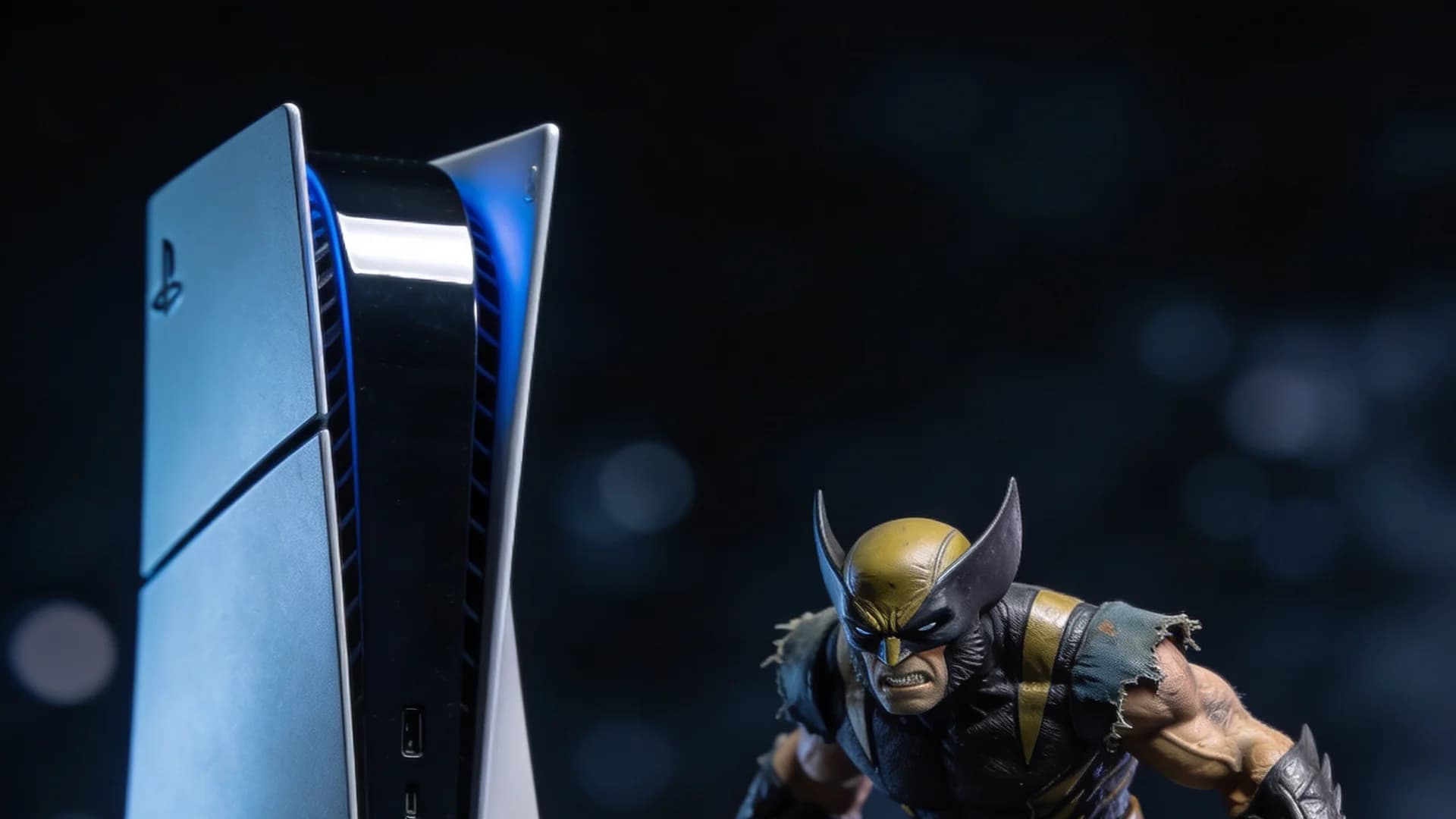
Sony is presenting two very different pictures at once: the State of Play on June 2 will put Marvel's Wolverine and new PS5 games in the spotlight, while on the business side, a $766 million impairment written down for Bungie is drawing attention. Add to that Saros selling more slowly than Returnal, and the PlayStation narrative is starting to become about more than just new games.
What Happened: June 2 State of Play and Marvel's Wolverine
Sony has announced a new State of Play broadcast for June 2. The show will run for more than an hour and will include more information on Marvel's Wolverine. The announcement also mentioned “news and updates on upcoming PS5 games,” signaling updates and news on upcoming PS5 titles as well. The presentation will reportedly move from a closer look at Marvel's Wolverine into updates, announcements, and gameplay showcases.
The stream begins at 2pm PT / 5pm ET / 10pm BST / 11pm CEST. It will be available on Twitch and YouTube.
The announcement stands out as a move to keep PlayStation’s promotional momentum strong. State of Play remains one of Sony’s main showcases for content from both its internal studios and third-party partners. This time, Marvel's Wolverine is the centerpiece, alongside PS5 games for 2026 and beyond.
But the timing also matters. Sony recently held another State of Play, where it shared new information on games ranging from a more unusual 2D God of War to Marathon, Silent Hill Townfall, and a Metal Gear Solid 4 remake. In that sense, the new presentation shows PlayStation continuing to build its showcase cadence in short intervals.
Saros, Returnal, and the Housemarque sales picture
The game-side conversation at Sony is not just about showcases. Saros, from Housemarque, is also part of the discussion. Reviews for the game have been generally positive, and its more accessible difficulty structure compared with Returnal has also stood out. Even so, its sales start appears slower than Housemarque’s previous game.
According to data shared by Rhys Elliott of Alinea Analytics, Saros has sold 300,000 copies so far and generated more than $22 million in revenue. One-third of those sales came during the 48-hour early access period granted to deluxe edition owners. In other words, part of the early performance may have been inflated by the most enthusiastic players preordering ahead of launch.
Elliott notes that while exact launch-period figures for Returnal were not disclosed, Saros still seems to be selling a little more slowly than the previous Housemarque title. What stands out here is that Saros launched to a much larger PlayStation 5 install base. When Returnal released in 2021, the PS5 install base was around 8 million; today, that number is roughly 93 million. Even so, the new game does not appear to be matching that pace.
Saros is also facing more than just comparison pressure. Recent successful PS5 releases such as Crimson Desert and Resident Evil Requiem have also drawn attention, and the game must compete with the total accumulated weight of the PlayStation library itself. In other words, Saros is not only competing with newly released games, but with PlayStation’s entire history.
On the other hand, Housemarque’s efforts to reduce friction in the gameplay loop seem to have had a measurable effect. Saros appears to have doubled Returnal’s completion rate, reaching 20 percent. Daily player numbers also support that picture: around 43,000 daily players on early access day rose to 83,000 on launch day, and then nearly 142,000 on May 2.
Even so, some analysts still think the numbers are not comfortable enough. One assessment says that, given a development budget of around $76 million, this slow start could make it difficult to reach break-even. Returnal’s long-term performance on Steam is noted as a possible escape route if Sony changes course. That also brings renewed attention to Sony’s broader PC strategy, with the article “Sony’s PS5 Plan, BeastLink, and How the AI Debate Moves Through Saros” rounding out that larger picture.
$766 million loss for Bungie: A harsh picture on the business side
One of the sharpest headlines on Sony’s business side is Bungie. The company wrote down a $766 million impairment against Bungie for fiscal 2025. That figure comes after Destiny 2 and Marathon reportedly fell short of expectations.
Sony acquired Bungie in 2022 for $3.6 billion. Now, the performance of that investment is showing up directly in the company’s financial results. The impairment suggests this is not just about one game or one launch, but about a broader expectation problem.
The contrast is notable. Christian Svensson, Sony’s head of third-party content at PlayStation, says the games he sees for the next 3, 4, and 5 years are “unbelievably positive” and that he does not expect “dire times” for the industry. He even says last year was already good, this year will be better, and next year will be even better. In his view, the content pipeline is moving strongly, and studios and platforms are making smart decisions.
But within the same company, PlayStation Studios head Hermen Hulst recently struck a different tone. Hulst said that rising development costs, slower industry growth, changing player behavior, and broader economic pressures are making game development harder. That statement was part of an announcement related to Bluepoint’s closure.
Read together, the two statements reveal a clear dual message from Sony: on one hand, confidence in the future game pipeline; on the other, recognition of cost pressure and sustainability concerns. On top of that, PS5 consoles were raised by at least $100 worldwide in March. So even on pricing, the company is trying to adjust its business model.
Sony’s short-term showcase and long-term pressure appear in the same frame
Sony’s current situation cannot be explained by a single State of Play alone. On one side, there is a long showcase focused on Marvel's Wolverine, new announcements for PS5 games, and a calendar Sony wants to keep active on the promotional front. On the other, there is Saros’s sales pace, comparisons to Returnal, and a $766 million loss written down for Bungie.
The picture shows PlayStation being tested on both content and economics at the same time. The show side is still building a strong release plan; the business side is making the weight of investment decisions and production budgets more visible. The gap between Christian Svensson’s optimistic framing and Hermen Hulst’s emphasis on financial pressure becomes especially clear here.
Sony now has to do two things at once: show players new content, and make its portfolio more sustainable. That is why the June 2 State of Play will be more than just a presentation — it will also be a signal of which games the company wants to carry forward. Meanwhile, the Bungie loss and the debate around Saros serve as a blunt reminder of the financial accounting behind the showcase shine.
Sources
- https://www.eurogamer.net/playstation-just-announced-a-new-state-of-play-and-itll-be-over-an-hour-long
- https://www.videogameschronicle.com/news/playstation-exec-says-next-few-years-of-unannounced-games-is-unbelievably-positive-there-are-no-dire-times-ahead-for-the-industry/
- https://www.eurogamer.net/saros-ps5-sales-launch-returnal
- https://www.pcgamer.com/gaming-industry/sony-records-a-usd766-million-impairment-loss-against-bungie-for-the-2025-financial-year-a-1-2-punch-of-destiny-2-and-marathon-failing-to-meet-its-expectations/