GPU, Mini Data Centers, and a New Financial Era in Game Infrastructure
Nvidia’s energy-focused mini data centers and SoftBank’s Japan-only sovereign AI GPU cloud are bringing infrastructure, funding, and game production strategy into the same conversation.
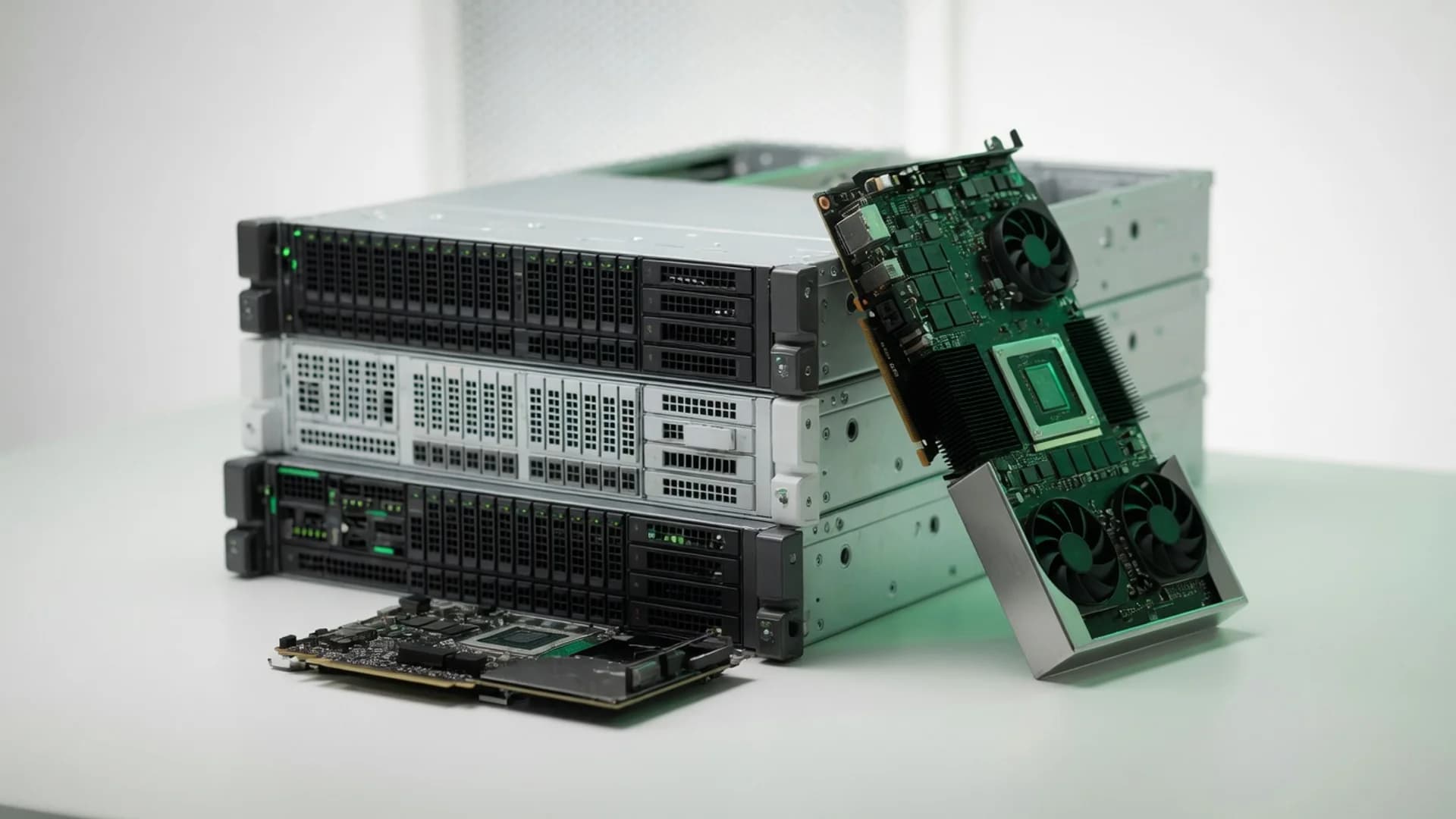
The topic in the game industry is no longer just new graphics cards or faster servers. With Nvidia’s plans that came into focus on May 14, 2026 and SoftBank’s GPU cloud announced on May 27, 2026, the impact of infrastructure on game production, distribution, and technical capacity is back in the spotlight. On one side is a data center approach trying to solve GPU demand at the level of energy and the power grid; on the other, a GPU cloud that is meant to stay within the borders of a specific country. This picture directly affects what hardware and cloud structure game studios will be able to access.
Why Did Nvidia Bring Mini Data Centers Into the Picture?
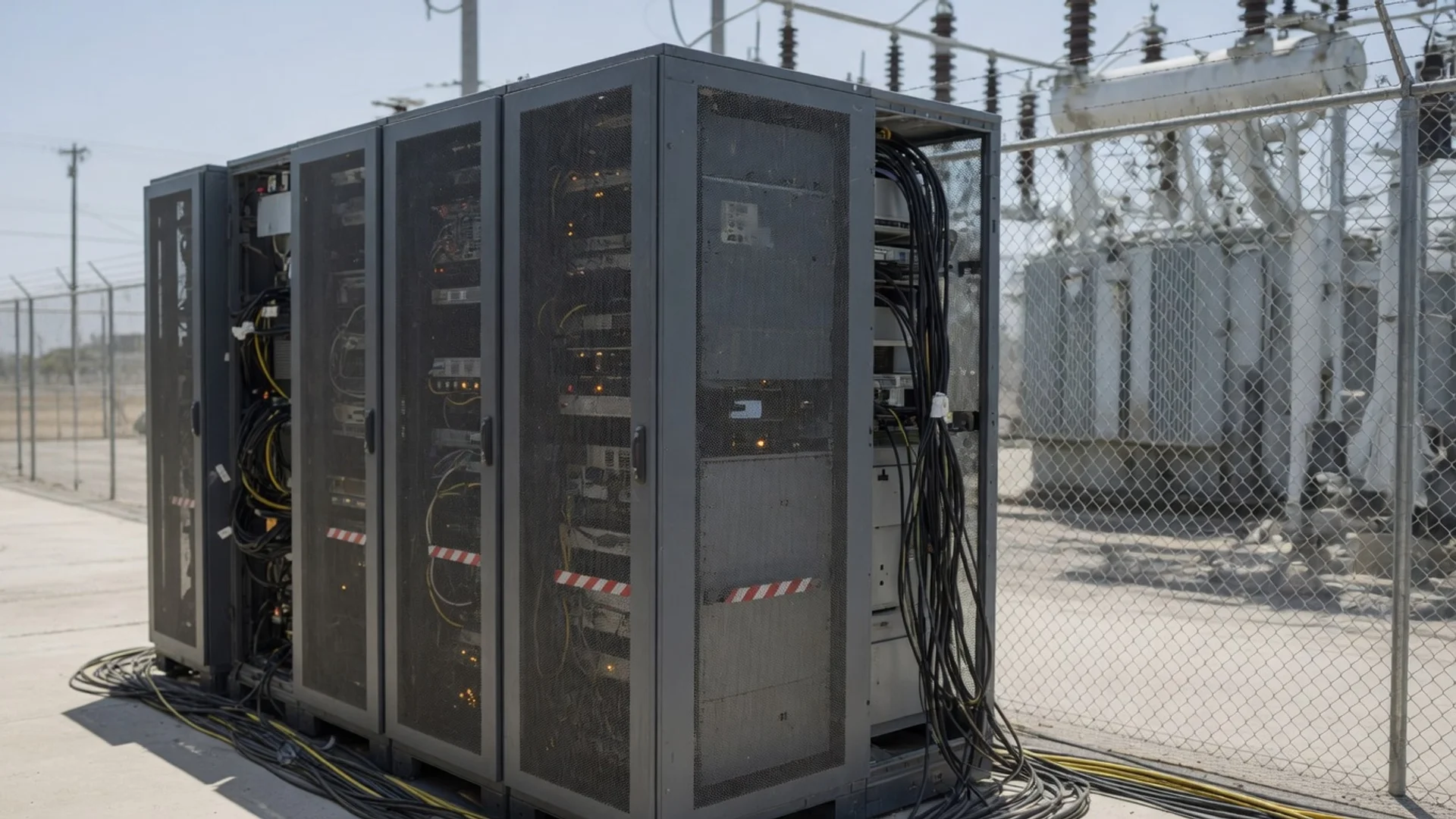
Nvidia’s proposed solution includes building mini data centers next to local power substations and selling more GPUs as a response to AI energy issues. At first glance, this may seem like something that belongs purely to AI infrastructure, but it also matters for games. Because the same GPU production line, the same data center capacity, and the same power planning also form the backbone of game development tools and cloud-based workflows.
The critical point here is this: the GPU is being treated not just as a card, but as an energy and spatial planning problem. Rather than moving large AI clusters to the outskirts of cities or to remote campuses, Nvidia’s solution suggests building smaller, distributed data centers closer to energy sources. This is a model that could also indirectly affect the rendering, simulation, testing, and content production infrastructure used by game studios. As infrastructure becomes more local and modular, the way capacity is accessed changes too.
Another dimension on Nvidia’s side is not just selling GPUs, but building the next generation of computers and data center architecture together. That is why the company’s AI agents-centered approach also touches the production tools used in the game world. More processing power means more automation and more complex workflows. On the game development side, this could increase infrastructure pressure, especially in large projects, in areas like animation, asset production, testing, and analysis.
This picture shows that in the future of the game ecosystem, hardware decisions will be just as decisive as software decisions. A studio’s budget is becoming tied not only to hiring teams, but also to the GPU capacity it can access, the location of the data center, and cloud costs. That is why Nvidia’s mini data center approach is not just a hardware infrastructure story; it is also a signal about the financial foundation of game production.
What Does SoftBank’s Sovereign AI GPU Cloud Promise?
SoftBank’s sovereign AI GPU cloud, announced on May 27, 2026, takes a different angle on the infrastructure issue. The company’s service aims to keep data and computation inside Japan’s borders. The beta version went live the same day, with commercial access slated for October 2026, and initial use limited to SoftBank group companies. The notable point here is that this is not a simple GPU rental model, but a cloud structure integrated with telecom infrastructure.
At the center of SoftBank’s system is Infrinia AI Cloud OS. This software layer offers two core delivery models—Kubernetes as a Service and Inference as a Service—to adapt the GPU infrastructure to different workloads. On one side it organizes container-based workloads; on the other it provides a structure for model inference via API. From the game industry’s perspective, such a setup could be important for live service operations, analytics systems, automated content processing, and remote production tools.
Another important element is the hardware being used. SoftBank is building the cloud on Nvidia GB200 NVL72 systems. These systems run in data centers inside Japan and are managed through SoftBank’s neocloud framework. Nvidia BlueField-3 DPUs and Spectrum Ethernet switches are also part of the setup. In other words, the issue is not just the number of GPUs, but the data flow and network speed that accompany them.
For SoftBank, this move means shifting from the role of a classic telecom company to that of a broader AI infrastructure provider. For game studios, the equivalent could be a more controlled cloud alternative for projects that require data sovereignty or for region-specific content production. Especially for companies trying to reduce external dependence, the promise of local data storage could become a direct operational choice.
Why Did GPU, Cloud, and Finance Become the Same Topic for Game Development?
The common denominator in these two stories is that infrastructure is no longer a background detail; it is part of the business model. Nvidia is treating the power grid and GPU supply as one equation. SoftBank, meanwhile, is presenting telecom networks, GPU cloud, and data sovereignty as a single service. For the game industry, this means development costs depend not only on human resources, but also on compute infrastructure.
This is especially important for mid-sized studios. Because accessible GPU capacity determines production speed. Render times, test infrastructure, the scale of online systems, and AI-assisted workflows are all part of the equation. More expensive or limited infrastructure can extend the production schedule. More local and closer infrastructure can ease the workload. For that reason, hardware investments are becoming directly tied to content release timelines.
There is also a contradiction here. Nvidia’s picture points to a more distributed, more fragmented, energy-centered distribution of capacity. SoftBank, on the other hand, offers a more closed, region-bound, and controlled model. One is trying to manage scale through mini data centers close to the power grid; the other is building a GPU cloud kept within national borders. From the game ecosystem’s perspective, both models are trying to answer the same question: Who gets the needed compute power, how much of it, and under what conditions?
The answer to that question affects not only large AI companies, but also game developers. Because game studios are no longer just making games; they also use the cloud for live services, analytics, automation, remote collaboration, and content processing. When infrastructure becomes more expensive, the first pressure lands on the development team. When infrastructure is simplified, production can become more predictable.
This is where the finance angle in the game business comes in. Cloud and GPU capacity are no longer just operating expenses; they are strategic investment items. Hardware choices determine which markets a studio can enter, how quickly it can produce, and which workloads it will offload externally. That is why Nvidia’s mini data center approach and SoftBank’s sovereign cloud move should be read at the intersection of game news and the technology economy.
Conclusion: In the Game Ecosystem, Infrastructure Decisions Are Production Decisions
Nvidia’s energy-centered mini data center plan and SoftBank’s domestic GPU cloud are telling the game industry the same thing: infrastructure is no longer an invisible detail. GPU access, network architecture, and data location all affect the speed and scope of game production. For studios, the issue is not simply stronger hardware, but how that hardware is accessed.
That is why the game ecosystem in the coming period will be shaped not only by new games, but also by the infrastructure decisions that make those games possible. GPU investment, data center planning, and cloud models have all become part of the same production chain.
Sources
- https://www.pcgamer.com/video/ga5tIk2V/germany-hands-15-million-to-steam-deck-desktop-devs
- https://www.pcgamer.com/hardware/graphics-cards/nvidias-solution-to-the-ai-energy-problem-is-mini-data-centers-next-to-local-power-substations-and-of-course-selling-even-more-gpus/
- https://www.ynetnews.com/tech-and-digital/article/rjyjgj5efe
- https://www.rcrwireless.com/20260527/ai/softbank-gpu-ai-cloud