Familiar IPs Return with New Genres: Karma Exorcist, Rogue Core, Exodus, and Dungeon Clawler
May 2026’s standout games prove that sequels and familiar IPs do not have to repeat themselves, with fresh takes on Metroidvania, roguelike, space RPG, and deckbuilder design.
Familiar IPs Return with New Genres: Karma Exorcist, Rogue Core, Exodus, and Dungeon Clawler
Sequels don’t always have to repeat the same formula. Four standout titles in May 2026 made that especially clear: Karma Exorcist, Deep Rock Galactic: Rogue Core, Exodus, and Dungeon Clawler. On one side, there’s a fresh take that turns a well-known brand into a 2D Metroidvania; on the other, there are sequel and spin-off ideas branching into roguelike, space RPG, and claw machine-based deckbuilder territory. The common thread is simple: take a familiar name and reshape it into an unexpected game form.
What Happened: Karma Exorcist and Warhammer 40,000: Chaos Gate Deathwatch both broke from familiar structure
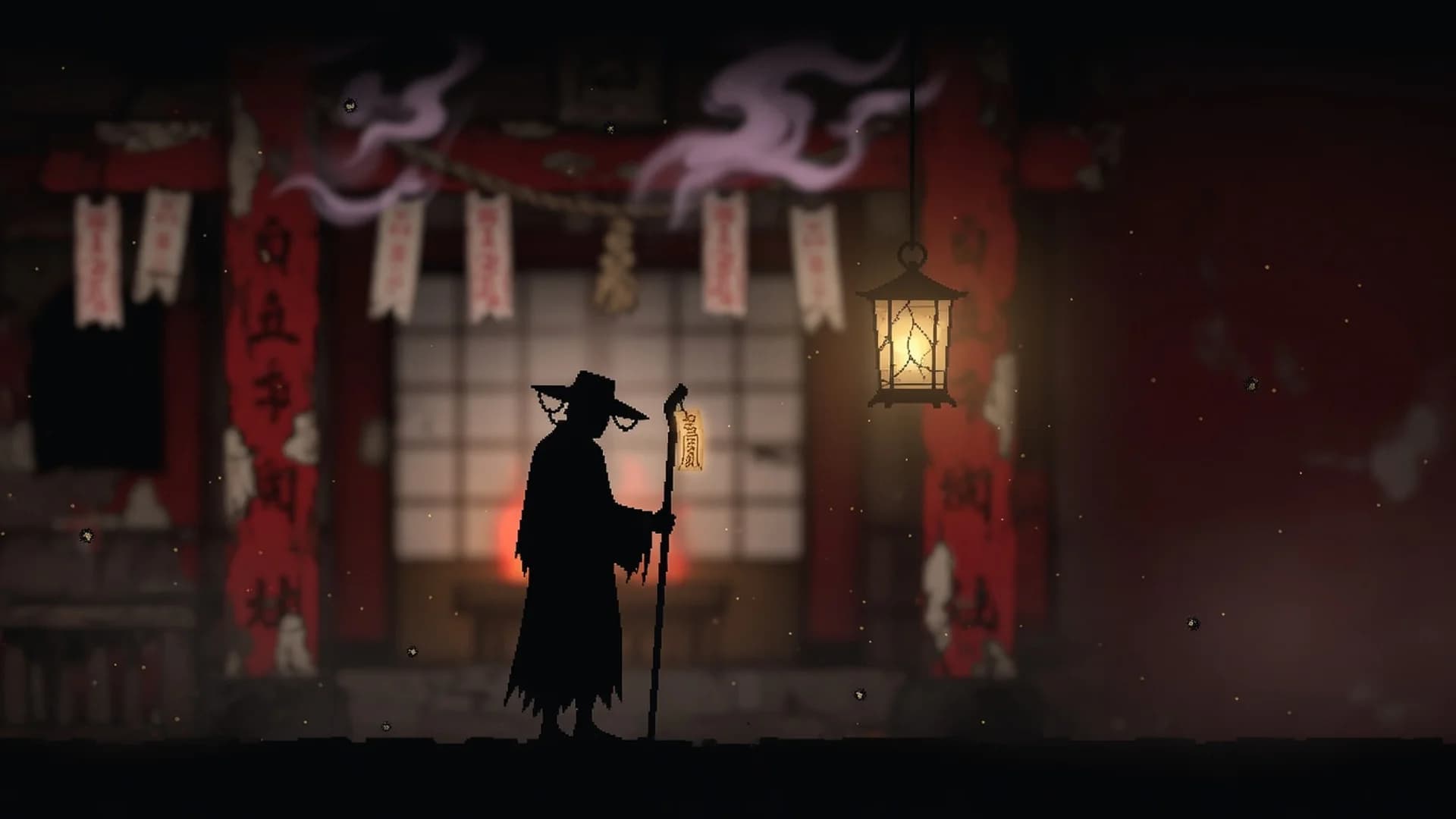
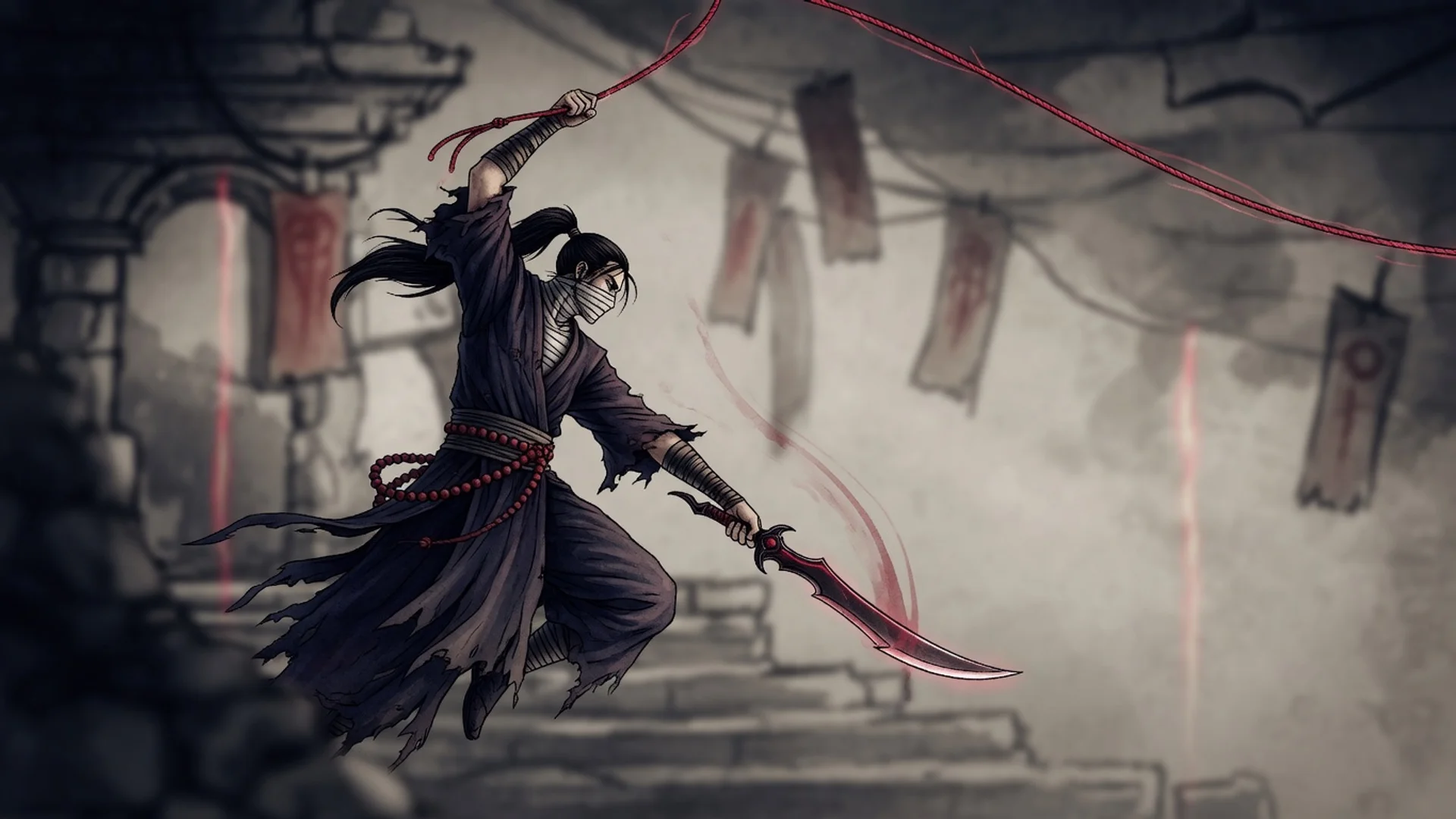
Karma Exorcist was recently shown at the BiliBili: First Look event in Shanghai and made an immediate impression. The game is described as a 2D Metroidvania with hand-drawn environments, a demanding enemy roster, and an expanding skill set. Even in the opening section, tough boss fights and a hook-based traversal mechanic obtained later on are among the core elements shaping the flow. This setup preserves the genre’s expected sense of progression while pushing the action side in a more mobile direction.
Karma Exorcist differentiates its familiar Metroidvania structure with hand-drawn scenes and hook-based movement.
While not in exactly the same vein, Warhammer 40,000: Chaos Gate Deathwatch also stands out as a sequel to a recognizable IP. Developed by Complex Games, the title was announced as a fast-paced turn-based tactical RPG sequel. As players fight the enemies of the Imperium, they will face an “unending tide” of threats in the new installment. The game is coming to PlayStation 5, Xbox Series X|S, and PC. What’s interesting here is how the series keeps its name while returning in a tactical RPG form that feels faster in tempo.
Taken together, these two games show that the idea of a “sequel” is no longer locked into a single mold. One preserves its atmosphere and identity while expanding the genre’s movement space; the other reintroduces a longstanding universe through a more aggressive tactical combat rhythm. That’s why similar announcements from the same period stand out not just as new game news, but as examples of how old brands are being reinterpreted.
Details: Deep Rock Galactic: Rogue Core and Exodus, two examples of sequels changing direction
Deep Rock Galactic: Rogue Core is one of the clearest examples of a familiar universe changing genres. The game points to just how flexible Deep Rock Galactic can be, this time steering things toward the roguelike side. As the article notes, the dwarves’ dominance across different genres continues. That line captures the idea that the series is not simply repeating the same formula, but instead preserving its core identity while adding a new gameplay layer.
What makes Rogue Core so notable is how it pushes a familiar brand beyond its genre boundaries. The Deep Rock Galactic name already carries a specific tone and sense of teamwork for players. But the roguelike format places that familiar feeling under different conditions. In that sense, the sequel becomes not just new content, but a reassembly of the same brand in a different gameplay language. That is exactly where the “familiar but new” effect comes into focus.
2026 game release schedule: A complete guide from May to the end of the year
By contrast, Exodus speaks in a familiar space opera language, but what sets it apart is the phrase used by Hasbro’s CEO. He described the game as “D&D in space.” The game itself is being developed by Archetype Studios and is referred to as a space opera RPG, with visuals said to look very close to Mass Effect. Here, two different associations emerge at once: on one side, the Mass Effect resemblance; on the other, the tabletop role-playing feel.
This combination moves Exodus beyond being a simple science-fiction game and positions it through genre blending. Presenting a familiar space setting alongside tabletop RPG logic explains why it stands out. For players, it’s not just “an RPG set in space,” but a promise of an experience that delivers decision-making and role-playing through a different kind of structure. Especially among sequels and derivative brands, such a clear genre crossover immediately draws attention.
What Dungeon Clawler offers: claw machine, deckbuilder, and roguelike in one package
Dungeon Clawler presents one of the most unexpected combinations on this list. Developed by Stray Fawn Studio, the game is described as a strategy roguelike deckbuilder. But what makes it different is the core idea of gathering weapons, decks, and other elements through a claw machine. In other words, the game’s progression system brings together the classic card-based structure and an arcade-like machine mechanic.
With Version 1.0, the game is now available on PlayStation 5, Xbox Series X|S, Nintendo Switch, iOS, Android, and PC. That broad platform list also shows how accessible the game has been designed to be structurally. But the real important point is not the platforms; it’s the mechanical fusion itself. In the deckbuilder genre, most players expect card management, combinations, and a risk-reward balance. Dungeon Clawler adds a claw machine layer that gives the selection process a physical sense of timing and chance.
Even though it isn’t a sequel, this kind of hybrid design represents another side of the same trend: adding an unexpected mechanic to a familiar formula. That makes the game a strong example of how recognizable genres can be repackaged. Deep Rock Galactic: Rogue Core changes genre, Exodus blends genres, Karma Exorcist opens a classic Metroidvania framework with a new movement tool, and Dungeon Clawler breaks the deckbuilder mold with an unusual collection system.
What It Means: Familiar brands no longer have to stay the same
These four games each show a different version of the same idea: players are now following not only the familiar name, but also how that name is being reimagined. Karma Exorcist’s hand-drawn 2D Metroidvania structure, Warhammer 40,000: Chaos Gate Deathwatch’s tactical RPG sequel format, Rogue Core’s shift of Deep Rock Galactic into roguelike territory, and Exodus placing a D&D feeling in space are all parts of the same trend.
The most striking part of this trend is how brand trust and curiosity about novelty work together. A familiar IP grabs the player’s initial interest. What keeps that interest alive is the game’s form. Hook mechanics, fast tactical battles, roguelike layers, tabletop RPG feelings, or claw machine-based resource collection turn these games from merely new releases into works that actively subvert expectations.
In the end, these standout titles from May 2026 remind us that a sequel no longer has to mean “part two” in the traditional sense. Sometimes the same universe enters a different genre. Sometimes the same name is reborn through a different mechanic. And sometimes what makes a game interesting is precisely the way it transforms something familiar into a new shape.